
The Songs That Raised a Generation of Ravers: Looking Back at EDM of the Early 2010s
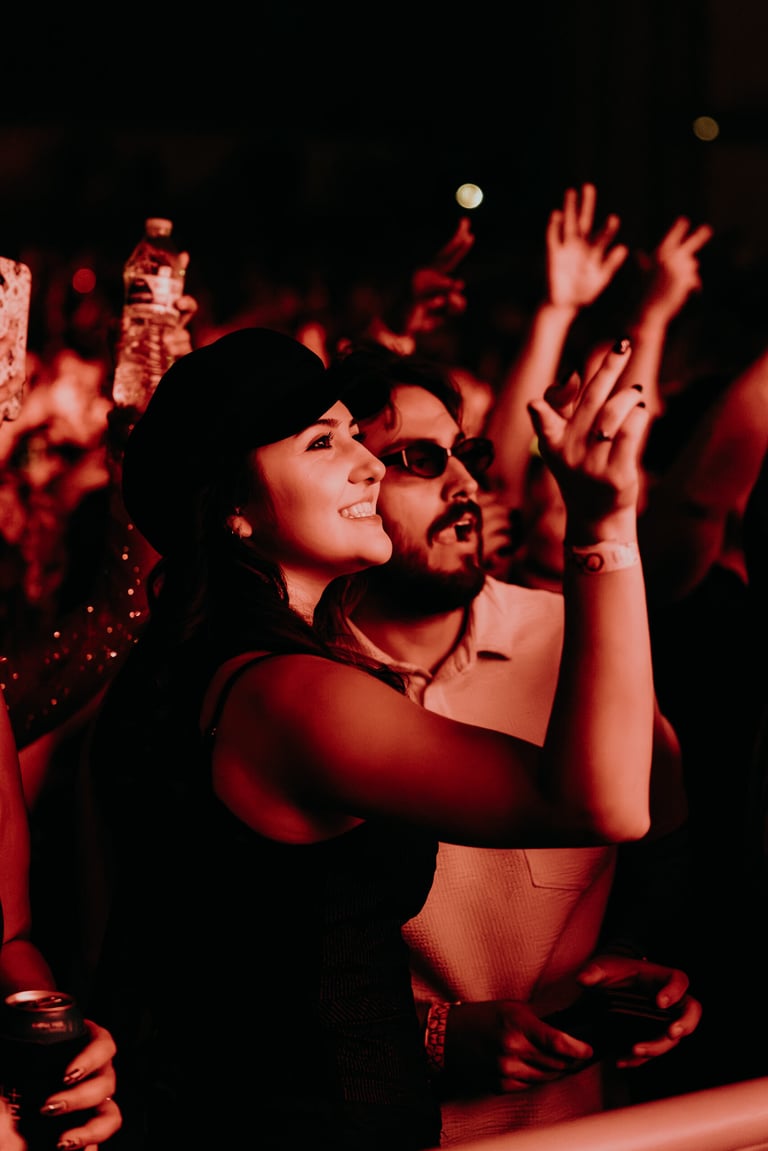
There was a time when discovering electronic music felt like stumbling into an entirely new universe. YouTube recommendations were practically a personality trait, SoundCloud was a treasure chest of questionable downloads and incredible remixes, and downloading a song from a sketchy website felt like a perfectly reasonable risk. We were burning CDs, untangling headphones, and discovering artists through songs that somehow made their way from festival stages to house parties and car stereos. For an entire generation of ravers, the early 2010s weren’t just another era of dance music. They were the beginning of a lifelong love affair with basslines, euphoric melodies, and the beautiful chaos of being part of something bigger than yourself. And somewhere in the middle of it all, Krewella was telling us exactly how alive we could feel.
If you were discovering EDM around 2012, there’s a good chance Krewella’s “Alive” found its way into your headphones. The soaring vocals, bright progressive house melodies, and emotional build created the kind of euphoric release that made even the most ordinary moments feel cinematic. Then there was “Killin’ It,” a completely different beast that introduced listeners to snarling basslines, aggressive dubstep production, and the irresistible urge to headbang before many of us even knew what headbanging at a rave looked like. Krewella captured something special during those years, balancing rebellious energy with genuine vulnerability. Their 2013 debut album, Get Wet, became a soundtrack for young listeners discovering that electronic music could be just as emotional as it was explosive. If you ever screamed the lyrics to “Alive” with your friends, you already know that some songs never really leave you.
But Krewella was only one piece of a much larger musical awakening. Avicii’s “Levels” was practically unavoidable, its instantly recognizable melody becoming synonymous with the possibilities of dance music. Then came “Wake Me Up,” a song that somehow made folk-inspired acoustic guitar, soulful vocals, and electronic production feel like they had always belonged together. There was something profoundly hopeful about Avicii’s music, a feeling that the world was enormous, the future was unwritten, and everything wonderful was still waiting to happen. Hearing those opening chords today can bring back an entire summer you haven’t thought about in years.
Swedish House Mafia gave us “Don’t You Worry Child,” a track that could turn thousands of strangers into one enormous, slightly emotional singalong. Zedd’s “Clarity” featuring Foxes somehow made heartbreak sound like the most beautiful thing in the world, while Alesso and Sebastian Ingrosso’s “Calling (Lose My Mind)” delivered the kind of melodic payoff that still gives longtime fans goosebumps. These weren’t simply songs we listened to. They were the soundtracks to late-night drives, first loves, messy breakups, and friendships that felt like they would last forever. Before we knew what a proper festival crowd looked like, these tracks were already teaching us what it meant to lose ourselves in the music.
And then Martin Garrix released “Animals,” and suddenly everyone wanted to be a DJ. That unmistakable, stripped-back melody and thunderous big-room drop became a defining sound of 2013, blasting through festival speakers, high school parking lots, and just about every house party imaginable. You didn’t need to understand electronic music to recognize “Animals.” The moment those opening notes started, everyone knew what was coming. It was loud, ridiculous, and absolutely exhilarating. Looking back, there’s something endearing about how completely obsessed we became with a few synth notes and a drop that could make an entire room lose its mind.
Meanwhile, an entirely different revolution was happening on the heavier side of electronic music. Skrillex’s “Scary Monsters and Nice Sprites” introduced a generation to distorted bass growls, chopped vocal samples, and drops that sounded like technology having an emotional breakdown. Flux Pavilion’s “I Can’t Stop” and Nero’s “Promises” brought their own unforgettable combinations of melody and bass, while Adventure Club’s remixes showed listeners that even the softest vocals could become the centerpiece of something devastatingly heavy. Suddenly, electronic music wasn’t just something you danced to. It was something you explored, collected, shared, and built friendships around. We were discovering dubstep through grainy YouTube uploads, sending each other links with absolutely no context, and insisting that our friends listen to one particular drop because it would change their lives.
Of course, no trip down memory lane would be complete without the absolute chaos of DJ Snake and Lil Jon’s “Turn Down for What.” Released in 2013, the track became a cultural phenomenon that seemed physically incapable of being played at a reasonable volume. It was the soundtrack to questionable decisions, packed dance floors, and parties that somehow got louder every time someone threatened to turn the music down. The production was aggressive, the energy was absurd, and the song had one very simple mission: make absolutely everyone lose their minds. If “Clarity” was for the emotional ravers, “Turn Down for What” was for the friends who were already standing on the furniture.
As the decade continued, electronic music found its way even deeper into mainstream culture. By 2016, The Chainsmokers’ “Closer” featuring Halsey had become practically inescapable. Its nostalgic lyrics, understated synths, and infectious melody captured a different kind of youthful chaos. Less about massive festival drops and more about the complicated emotions of growing up, falling in love, and realizing that some relationships are better remembered than revisited. You could hear it at festivals, in college apartments, at rooftop parties, and through the speakers of just about every car on the road. For many of us, “Closer” marked another chapter in the same musical journey, when the teenagers who had discovered EDM through Krewella and Skrillex were beginning to navigate adulthood with an entirely new soundtrack.
What made this era so unforgettable wasn’t necessarily the production quality or the size of the festivals. It was the feeling of discovering everything for the first time. The excitement of finding a new artist at two in the morning, memorizing every second of a favorite drop, or finally hearing a song live that you’d played hundreds of times through cheap headphones. It was kandi bracelets, neon outfits, galaxy-print everything, blurry festival photos, and the kind of friendships that could begin with someone asking what song was playing. We didn’t have endless playlists curated by algorithms to tell us what we might like next. Sometimes all it took was one friend sending a SoundCloud link or a YouTube video with a questionable thumbnail to send us down an entirely new musical rabbit hole.
There was also something beautifully innocent about the way we experienced electronic music back then. We weren’t analyzing every transition, debating subgenres, or worrying about whether our favorite artist had become too mainstream. We were simply excited to be there. We wanted to dance until our legs hurt, scream lyrics with complete strangers, and collect moments that felt impossible to explain to anyone who hadn’t experienced them. The music gave us permission to be loud, emotional, ridiculous, and completely ourselves. Electronic music has evolved tremendously since those early days. Production has become more intricate, genres have splintered into countless subcultures, and the sounds that once seemed impossibly futuristic have inspired an entirely new generation of artists. Yet there’s something remarkably timeless about those early anthems. Play the opening notes of “Alive,” “Levels,” “Animals,” or “Clarity” in the right crowd, and watch how quickly everyone remembers. Suddenly, you’re seventeen again, your phone is at three percent, your friends are somewhere in the crowd, and you genuinely believe the night might never end. Maybe it’s nostalgia, or maybe those songs really did capture a little bit of magic. Either way, they gave an entire generation its first taste of the freedom, connection, and emotional release that continue to define rave culture today. We may have traded our neon shutter shades for more sophisticated festival outfits, and our music libraries have certainly gotten a little more adventurous, but that feeling never really disappeared. We didn’t just grow up listening to those songs. In a lot of ways, we grew up because of them.


I found EDM in my early years as a high schooler, with artists like Avicii, Afrojack, Tiësto, Martin Garrix, Krewella, and so many others filling my playlists. In 2017, Voodoo Music Festival became my first festival and live music experience, and honestly, I have not stopped since. Since then, I’ve made my way through 20+ music festivals and at least 43 shows that I’ve actually remembered to count, but the numbers have never been the best part. It’s the people I’ve met, the memories made, the unexpected moments, and that feeling of being surrounded by thousands of people who all came to feel something together. I write because I genuinely love this community and the music that brings us together. My hope with every article, review, and story is to capture even a little bit of that feeling and share it with you. I want you to feel the excitement I feel standing in that crowd, hear the details that made a song stick in my heart, and understand just how much I appreciate the artists, fans, and experiences that make this community so special. There is so much magic in this world of music, and I’m just happy I get to be here for it, listen to it, and put some of that love into words.


