
Steller Drops Mesmerizing EP, ‘Shifting The Lens’
March 12, 2026
March 12, 2026

 Crankdat
 Breakaway Arizona 2026
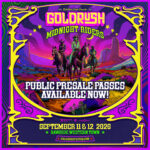 Goldrush: Midnight Riders 2026
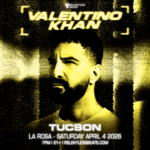 Valentino Khan
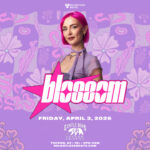 Blossom
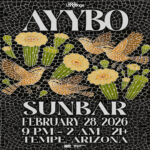 AYYBO
AYYBO Effin
Effin Grabbitz
 Obsidian 2025
 DUSK Music Festival 2025
 Zeds Dead, Subtronics, & Tape B Release 'Word Scramble'
 ANOTR Releases 'Talk To You' With 54 Ultra
 Temporary Family: The Unspoken Bonds Formed on the Dancefloor
 Why DJs Are Talking Less on the Mic, and Why It Work
 The Evolution of John Summit: From Party Floors to Mindful Movement
 Capozzi
 ISOxo
ISOxo Bella Renee
 Yetep
Yetep
Rave fashion has always been a reflection of the moment. It mirrors how people feel, how they want to be seen, and what the scene needs at that point in time. What we are witnessing right now is not a brand new aesthetic, but a renaissance. EDM fashion is cycling through its past eras, remixing them into something familiar yet newly expressive. The dance floor has become a living timeline where decades collide under lasers.
The roots begin in the 1990s warehouse era, when function mattered as much as rebellion. Baggy pants, oversized tees, glow sticks, and DIY accessories were worn for movement and anonymity. These looks were not about being photographed. They were about disappearing into the crowd while still signaling that you belonged. Comfort was king, and expression came through color, texture, and handmade details. This era established a core rave truth that still exists today. What you wear should help you lose yourself in the music.

Fast forward to the Y2K explosion, and rave fashion turned futuristic. Metallic fabrics, tiny sunglasses, platform shoes, and cyber-inspired silhouettes took over. This was an era obsessed with the future, with technology, and with the idea that electronic music represented what was next. Outfits became sharper and more intentional, often blending clubwear with sci-fi fantasy. Today’s resurgence of Y2K feels less ironic and more nostalgic. Low-rise pants, mini tops, and chrome details are not being worn to predict the future anymore. They are being worn to reclaim a sense of playful optimism that feels rare in heavier times.

The early 2010s brought the rise of trap festivals and big room EDM, and with it came a shift toward streetwear influence. Snapbacks, jerseys, graphic tees, bold sneakers, and darker palettes dominated. This era was louder, tougher, and more aggressive, matching the energy of the drops that defined it. Fashion became about identity and allegiance. Who you listened to mattered, and your outfit often reflected your lane. Today, elements of this era are resurfacing in oversized silhouettes and logo-driven pieces, but softened with intention and balance.

Then came the 2015 Kandi era, a moment defined by color, connection, and community. Beaded bracelets, cartoon prints, neon everything, and playful slogans turned the dance floor into a celebration of shared joy. This was fashion as communication. Trading kandi was not about aesthetics alone. It was about human connection. As minimalism took hold in later years, this era was dismissed by some as chaotic or excessive. Now, it is being re-embraced with affection. Color is returning. Playfulness is returning. The scene is remembering that sincerity is never out of style.

What makes the current moment different is how these eras are being blended rather than replaced. You see 90s silhouettes paired with Y2K accessories. Kandi mixed with sleek, modern fabrics. Utility pants worn with delicate tops. This mashup reflects a generation that no longer wants to commit to a single identity. Ravers are dressing for mood, not rules.
This renaissance also reflects deeper cultural shifts. After years of uncertainty, people want to feel something again. Fashion has become a way to reclaim joy, softness, and individuality. Comfort is prioritized, but so is expression. The rise of gender-fluid styling, thrifted pieces, and DIY customization speaks to a desire for authenticity over perfection.
So what comes next? The future of rave fashion looks intentional, emotional, and personal. Expect more modular outfits that transition from day to night. More tactile fabrics that feel grounding on the body. More nods to nostalgia without fully recreating the past. Sustainability and rewearability will matter more, not as trends, but as values. And above all, expect fashion that supports the experience rather than distracts from it.
Rave style has never moved in a straight line. It loops, evolves, and returns when the moment calls for it. Right now, the scene is remembering where it came from while redefining where it is going. And on the dance floor, every era is welcome.



Copyright © 2026 Relentless Beats LLC. All rights reserved.
Use of this site constitutes acceptance of our terms & conditions and privacy policy.