
Riddim Rats: Modal Nodes is Officially Here With ‘Alone EP’
March 26, 2026
March 26, 2026

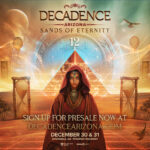 Decadence Arizona: Sands of Eternity 2026
 Crankdat
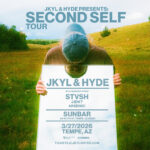 Jkyl & Hyde
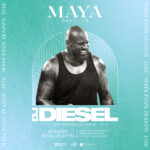 DJ Diesel
 RØZ
RØZ  Effin
Effin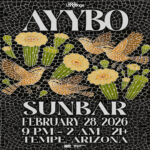 AYYBO
AYYBO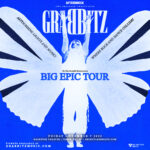 Grabbitz
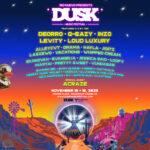 DUSK Music Festival 2025
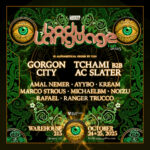 Body Language Fall 2025
 John Summit & The Chainsmokers Just Gave Us the Best of Both Worlds
 ANOTR Releases 'Talk To You' With 54 Ultra
 Why DJs Are Talking Less on the Mic, and Why It Work
 The Era of the Side Quest: How Fans Build Entire Festival Experiences Outside the Lineup
 Riddim Rats: Modal Nodes is Officially Here With 'Alone EP'
 Capozzi
 ISOxo
ISOxo Bella Renee
 Yetep
Yetep
The DNA of EDM is more diverse than ever, but one influence stands taller than the rest: American hip-hop. From the trap takeover of the 2010s to genre-bending collabs that dominate festival stages, hip-hop’s fingerprints can be found across nearly every corner of dance music. These two cultures have always fed off each other—sharing sounds, styles, and energy that continue to push electronic music forward. Here are five ways hip-hop is still shaping the EDM scene today.
Trap, with its booming 808s, razor-sharp hi-hats, and snapping snares, was born in Atlanta’s rap community during the 2000s, led by pioneers like T.I., Gucci Mane, Young Jeezy, and 2 Chainz. What started in the streets of Atlanta soon spread worldwide when EDM producers like RL Grime, Baauer, Flosstradamus, Yellow Claw, and TNGHT began incorporating trap’s signature elements into their music.
By the early 2010s, “trap” had become a full-blown EDM subgenre—dominating festival stages and bass-heavy clubs alike. Today, artists like Marshmello, ISOxo, TroyBoi, and Flume continue to push the boundaries of trap within genres such as Hybrid Trap, Halftime, and Hardwave. Trap is no longer just a rap subgenre—it’s a global movement that helped redefine EDM itself.

Hip-hop built its foundation on remix culture—sampling, flipping, and reimagining sounds to create something new. EDM has embraced that same ethos. Remixes, edits, flips, and bootlegs are often the fastest way for new producers to get noticed by DJs and fans alike.
Even when not officially sanctioned, EDM artists constantly borrow from hip-hop’s vast catalog—turning iconic verses, vocal chops, or beats into dancefloor anthems. From dubstep to tech house, vocal samples from hip-hop and R&B classics keep the crowd singing along while giving the producer room to inject their own style. Even if hip-hop isn’t the headliner, its influence runs deep in EDM’s DNA.
The crossover between hip-hop producers and EDM isn’t common—but when it happens, it makes waves. Case in point: T-Pain shocked fans when he appeared on the lineup for Lost Lands Music Festival, making the leap from Grammy-winning hip-hop icon to bass music DJ/producer. His Twitch community had already seen him experimenting with EDM production, but his debut set at The Crater was stamped as one of the festival’s highlights.
Diplo is another household name who straddles both worlds. Early work with M.I.A. cemented him as a trendsetter, and his credits include collaborations with Lil Peep, XXXTentacion, Snoop Dogg, and Trippie Redd. Then there’s GORDO (f.k.a. Carnage), who started his career producing beats for Drake, Migos, and Lil Yachty before exploding onto the EDM scene with his own festival-ready sound.
These producers prove the exchange goes both ways—hip-hop legends can thrive in EDM, and EDM stars often find their way back to hip-hop roots.
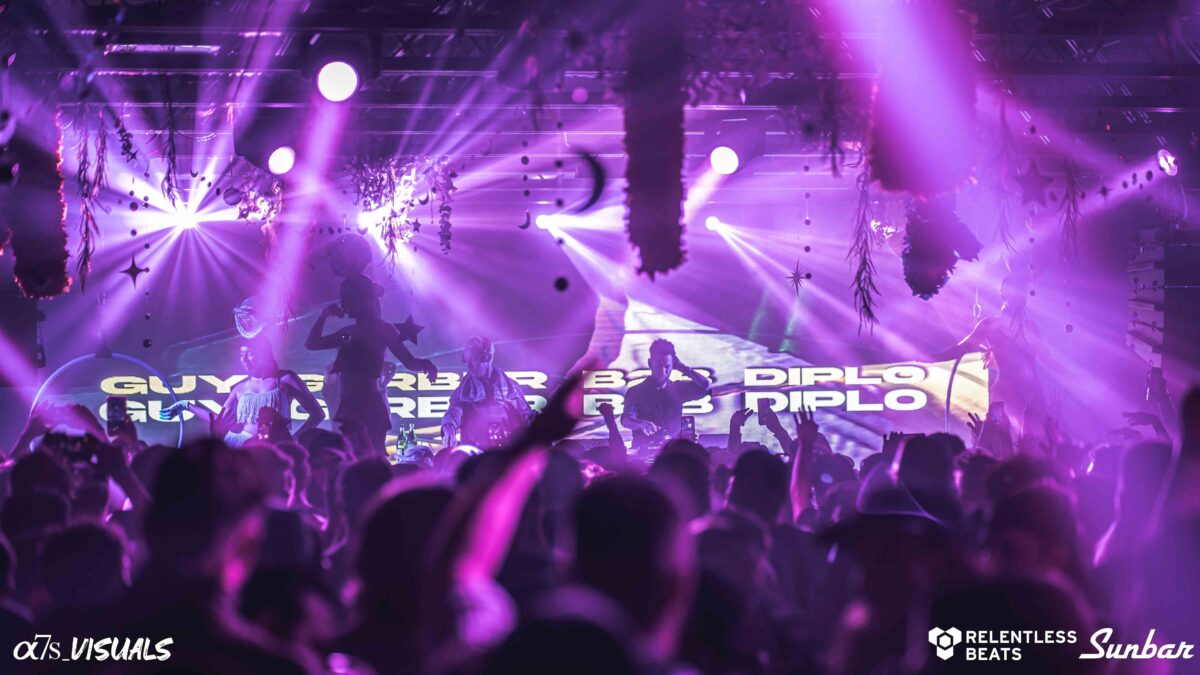
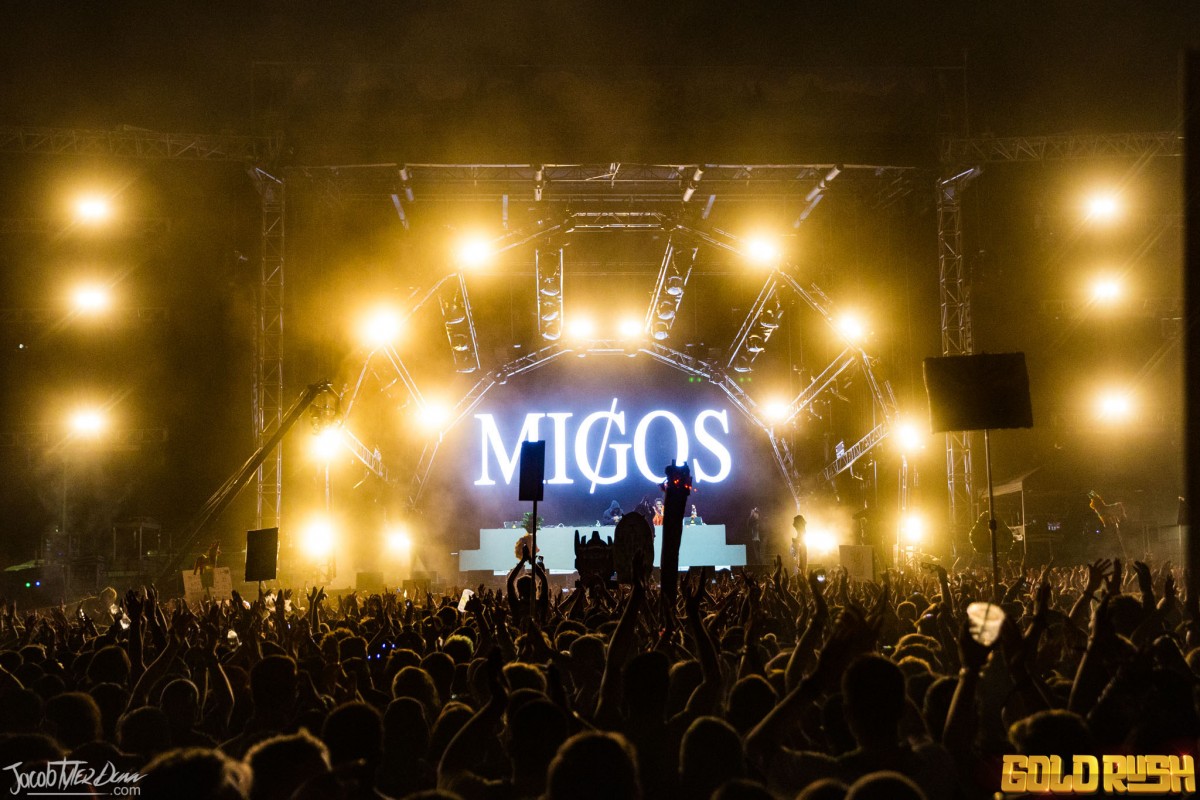
Festivals have always been a cultural melting pot, and in recent years, hip-hop has taken a bigger role alongside EDM’s biggest names. HARD Summer has featured lineups with Travis Scott, Gunna, and Lil Uzi Vert. EDC has hosted surprise sets from Drake and Lil Nas X. And festivals like Coachella, Mad Decent Block Party, and Gold Rush continue to blend genres seamlessly. One of the most memorable examples came at Gold Rush Music Festival 2017, where EDM giants like Marshmello, RL Grime, Dillon Francis, and Excision shared the bill with Migos, $uicideboy$, Lil Uzi Vert, and more. These lineups prove that fans crave both sides of the spectrum, and that hip-hop and EDM thrive when they share the same stage.
Some of the most iconic EDM tracks wouldn’t exist without hip-hop collaborations. Skrillex and Rick Ross’ “Purple Lamborghini” became a cultural staple. DJ Snake and Lil Jon’s “Turn Down for What” still ignites dance floors worldwide. The crossover doesn’t stop there—Kanye West’s Yeezus featured production from Gesaffelstein and Daft Punk on tracks like “Black Skinhead” and “Send It Up.” Years earlier, Kanye and Daft Punk linked up for the Grammy-winning “Stronger,” a track that left an undeniable mark on both genres. Most recently the French electronic music virtuoso announced that he’s behind the production of the single “No Child Left Behind” from West’s 10th studio album, Donda.
These collabs blur boundaries, expand audiences, and push both cultures forward—proving that hip-hop and EDM are stronger together.
From trap’s Atlanta roots to iconic collabs that defined entire eras, hip-hop continues to be one of EDM’s most vital influences. The two genres share a rebellious spirit, a love for innovation, and a deep connection to youth culture. Whether it’s through remixes, festival lineups, or producers who bridge both worlds, the partnership between hip-hop and EDM shows no signs of slowing down.
As the cultures continue to merge, one thing is clear: the future of dance music will always carry the pulse of hip-hop.
Copyright © 2026 Relentless Beats LLC. All rights reserved.
Use of this site constitutes acceptance of our terms & conditions and privacy policy.