
John Summit & The Chainsmokers Just Gave Us the Best of Both Worlds
March 25, 2026
March 25, 2026

 DJ Diesel
 Crankdat
 Jkyl & Hyde
 Breakaway Arizona 2026
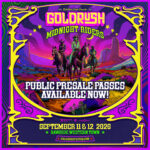 Goldrush: Midnight Riders 2026
 Effin
Effin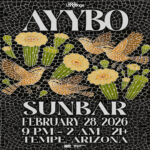 AYYBO
AYYBO Grabbitz
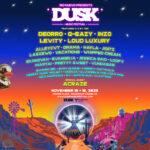 DUSK Music Festival 2025
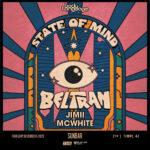 Beltran
 ANOTR Releases 'Talk To You' With 54 Ultra
 How a DJ’s Toolkit Has Expanded in 2026
 How DJs Quietly Test New Sounds Before Going Public
 MitiS Channels Raw Emotion Into New Single, 'Wilderness,' Ahead of EP
 Chase & Status Drop a Roller Guaranteed to Get You ‘Through The Pain’
 Capozzi
 ISOxo
ISOxo Bella Renee
 Yetep
Yetep
Are YOU ready to book the AI-DJ built by EDM’s biggest minds?
“Introducing the world’s first AI festival DJ: PLURbby. Trained on the sounds of Excision, John Summit, Sara Landry, Rezz, Subtronics, and more, PLURbby delivers a fully interactive, genre-bending experience curated by EDM legends themselves. Packed with unreleased bangers and updated weekly with the freshest tracks, PLURbby isn’t a jukebox—or a person—it’s the future of festival performances.”
This concept might sound like satire, but how far are we from something like PLURbby becoming a reality?

Twenty years ago, an AI DJ sounded like something out of The Jetsons. Today, the technology is already here—just waiting for the right stage. Platforms like djay by Algoriddim use AI-powered Automix for seamless transitions. Streaming giants like Spotify, Apple Music, and Pandora rely on algorithms to curate and predict what we want to hear.
The question isn’t whether AI can do it—it’s whether fans and artists would embrace it. For some, it feels like the ultimate sellout: abandoning authenticity for commercialization. But in reality, it might be no worse (and arguably better) than signing a restrictive record deal that limits creative freedom, siphons royalties, and locks artists into outdated contracts.
For the record, PLURbby is a fictional idea created for this article. But if something similar were to exist, imagine the possibilities: royalties from AI usage, licensing deals, merch collabs, or hybrid shows that combine human artistry with AI-generated visuals. With the rise of EDM in pop culture, I don’t think it’s too far fetched to imagine a scenario in the near future where a DJ like ANYMA or Marshmello is being offered a massive contract to partner in a experience like this.
Instead of being replaced, DJs could define their own digital legacy. Think about a veteran artist considering retirement—handing over their unreleased USBs in exchange for a contract that sets them and their family up for life. What if the DJ was already considering retirement? What if they want to start a family? Would that make them a sellout—or a pioneer?
Before you answer that, let’s be clear: DJs have always used technology to evolve. We’ve gone from crates of vinyl to USB sticks that hold entire careers. Tools like key detection, BPM syncing, and real-time stem separation are already AI-powered. These innovations let DJs remix live, layer vocals with instrumentals, and create on the fly in ways that weren’t possible before. Technology has transformed the role of the DJ and continues to blur the line between a DJ set and a live performance. Sorry, not sorry — it’s a good thing.
AI isn’t replacing creativity—it’s extending it. Technology has blurred the line between a DJ set and a live performance, giving artists more ways to express themselves. And while you probably won’t see fans trading a Subtronics set for PLURbby anytime soon, as a novelty or side-stage experience, AI could draw serious interest.

At its core, DJing isn’t just about track selection. It’s about spontaneity, risk-taking, and the raw emotional connection between artist and audience. That human spark—the shared moment when a drop lands perfectly, or a crowd screams back every word—can’t be replicated by algorithms alone.
But what if AI became the sidekick rather than the star? Think Iron Man and J.A.R.V.I.S.—technology that enhances creativity rather than replaces it. Used correctly, AI could empower DJs to push boundaries, experiment with sound, and focus more on performance.
According to Jobs That Are Safe From AI, DJs remain highly resistant to automation. “Like other entertainers, most humans wouldn’t want robot DJs,” one writer explains. “We already have that—it’s called Spotify. DJs are personalities, often with a following or brand. Such roles are highly resistant to AI displacement, even if some effects may be felt eventually.”
And they’re right. Festivals, clubs, and underground raves aren’t just about the music—they’re about the culture, the atmosphere, and the artists who bring people together.
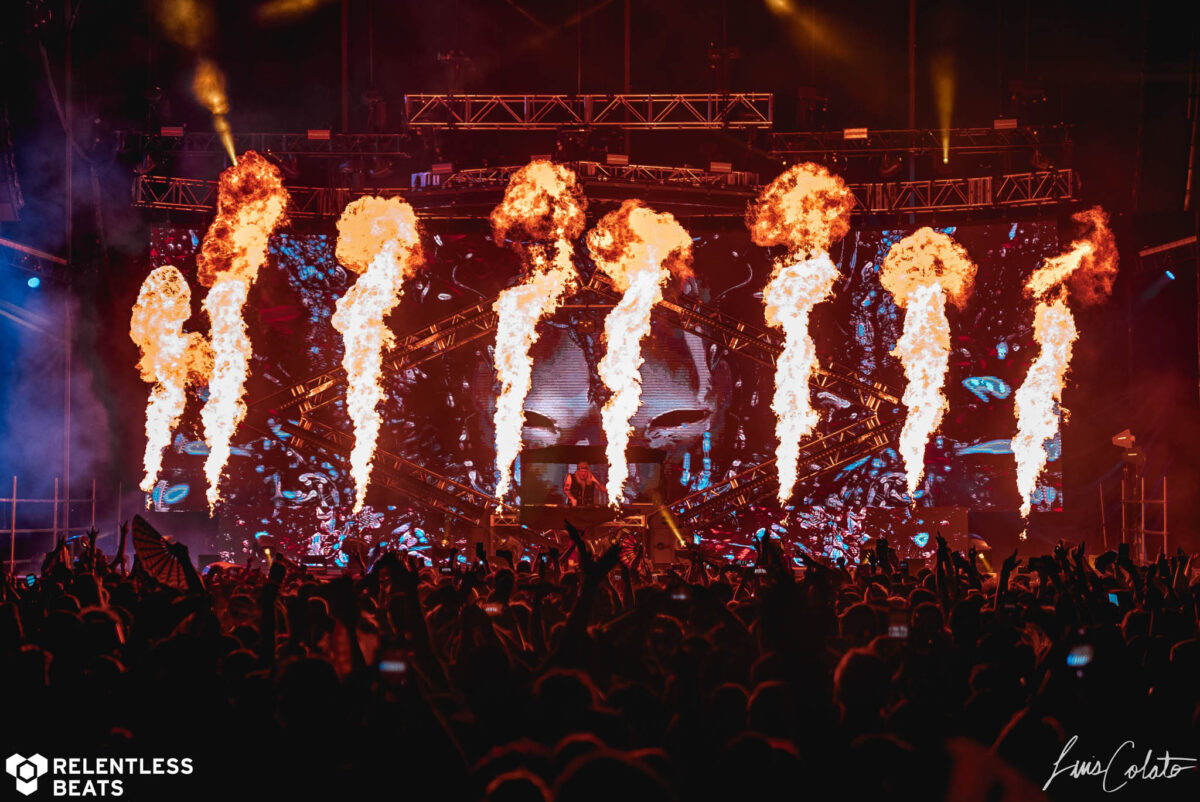
AI will keep advancing, but it can’t replace human creativity, intuition, and the lived experiences that fuel music. Instead, the future of EDM may belong to collaborations between artists and AI—expanding possibilities while preserving the essence of why we gather on dance floors.
At the end of the day, the algorithms may assist, but authenticity will always headline.


Copyright © 2026 Relentless Beats LLC. All rights reserved.
Use of this site constitutes acceptance of our terms & conditions and privacy policy.