

Why the Crowd Is the Real Headliner
March 5, 2026
March 5, 2026

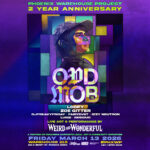 Odd Mob | Phoenix Warehouse Project 2 Year Anniversary
 Crankdat
 Zeds Dead
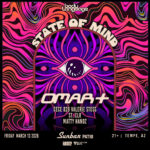 Omar+
Omar+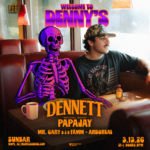 Dennett
 Danny Avila
 Grabbitz
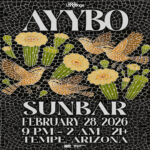 AYYBO
AYYBO Kayzo (360 Set) | Phoenix Warehouse Project
 Effin
Effin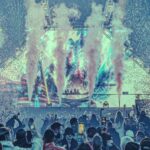 Bass Frequencies & Body Physics: Why You Feel Certain Songs in Your Chest
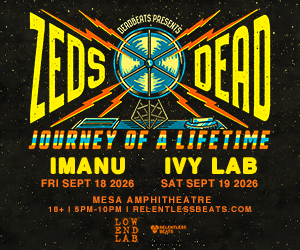
 Zeds Dead Announce Largest Headlining Tour Yet — With Two Nights in AZ This September
 Alix Perez’s 1985 Music Return: 'Sabotage'
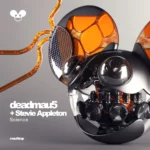 The ‘Science’ of deadmau5' & Stevie Appleton’s Latest Track
 Excision and Subtronics Reunite for Another Festival Weapon, 'A.F.B.1.'
 Capozzi
 ISOxo
ISOxo Bella Renee
 Yetep
Yetep
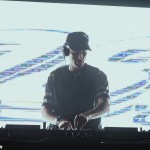
There’s something uniquely magical about an open-to-close set, a rare kind of musical journey where a single artist commands the decks from the first beat to the final fade. No openers, no headliners just one artist, curating the energy of the night across five, six, sometimes even eight hours.
Unlike tightly scheduled festival slots or club appearances that last 90 minutes, open-to-close sets don’t allow for rigid planning. Artists can’t map out every transition or lock in a pre-made tracklist. Instead, they’re challenged to read the room in real-time, adapting the music to the energy on the dancefloor, a skill that separates good DJs from the truly great.

It takes a special kind of artist to pull this off. Someone with not only technical skill, but a deep, intuitive grasp of pacing, progression, and vibe. With no time constraints and no changeovers, they’re free to experiment by weaving through genres, shifting tempos, and building emotional arcs across the night. The result? A set that evolves like a story, unfolding organically and often unexpectedly.
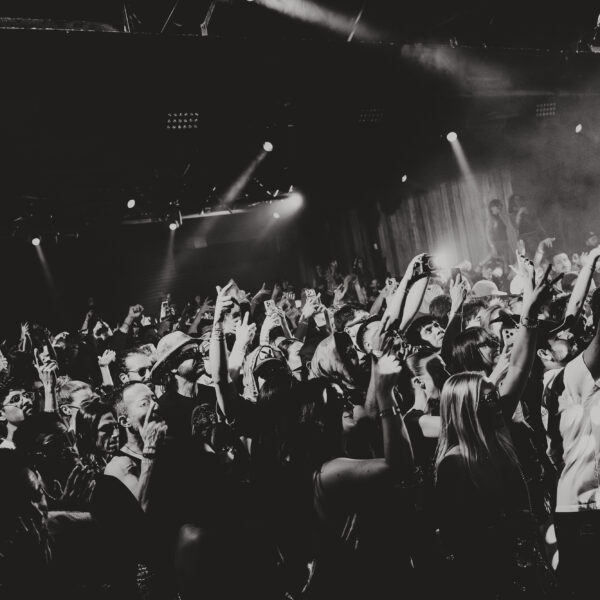
Think of artists like Claude Von Stroke or Ternion Sound, whose extended sets have become the stuff of legend. They don’t just play music, they sculpt experiences, guiding the crowd through peaks and valleys, subtle grooves and explosive drops. It’s the kind of night where you lose track of time, and suddenly it’s 4 AM and you’re still dancing.
While more common in Europe, open-to-close sets are steadily gaining ground in the U.S., as audiences crave deeper, more immersive musical experiences. And if you haven’t caught one yet, it’s time to change that. The next time you see a flyer with just one name listed from doors open to last call — buy the ticket, show up early, and stay late. You’ll witness an artist fully in their element, and you just might experience something unforgettable.
Copyright © 2026 Relentless Beats LLC. All rights reserved.
Use of this site constitutes acceptance of our terms & conditions and privacy policy.