
The Evolution of John Summit: From Party Floors to Mindful Movement
March 27, 2026
March 27, 2026

 Crankdat
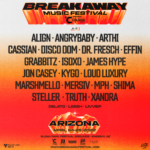 Breakaway Arizona 2026
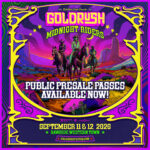 Goldrush: Midnight Riders 2026
 Valentino Khan
 DJ Snake
 Effin
Effin Grabbitz
 AYYBO
AYYBO Beltran
 Bolo The DJ
 Zeds Dead, Subtronics, & Tape B Release 'Word Scramble'
 John Summit & The Chainsmokers Just Gave Us the Best of Both Worlds
 ANOTR Releases 'Talk To You' With 54 Ultra
 How a DJ’s Toolkit Has Expanded in 2026
 The Evolution of John Summit: From Party Floors to Mindful Movement
 Capozzi
 ISOxo
ISOxo Bella Renee
 Yetep
Yetep
Rave culture has never stood still. What started as underground warehouse parties and desert gatherings has grown into a billion-dollar industry, complete with global stages, brand collabs and TikTok-fueled micro-trends. The music still drives it all, but the culture surrounding raves has shifted in dramatic, sometimes complicated ways.
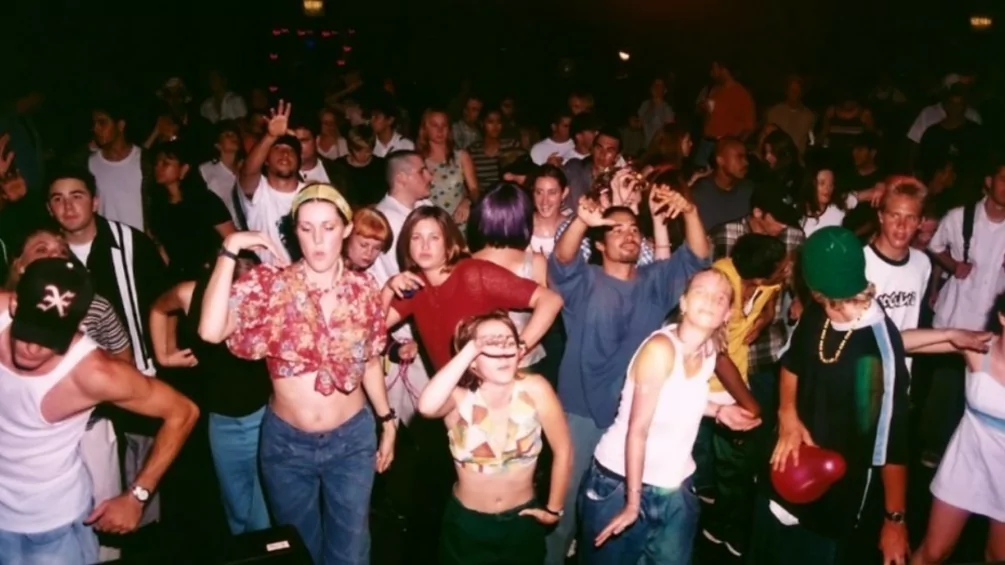
In the ‘90s and early 2000s, raving was intentionally hard to find. Flyers passed hand-to-hand. Venues dropped only at the last minute. Word of mouth was everything. It was fueled by secrecy—and, sure, part of that came from being pre-internet. There was no algorithm serving up the next big party, no endless scroll of recaps. But it wasn’t about gatekeeping. These hidden spaces gave outsiders, misfits and diehard music lovers a chance to escape the mainstream and find belonging. As one r/aves Redditor put it, “You had to want to be there.” The scene thrived on connection, not clout.
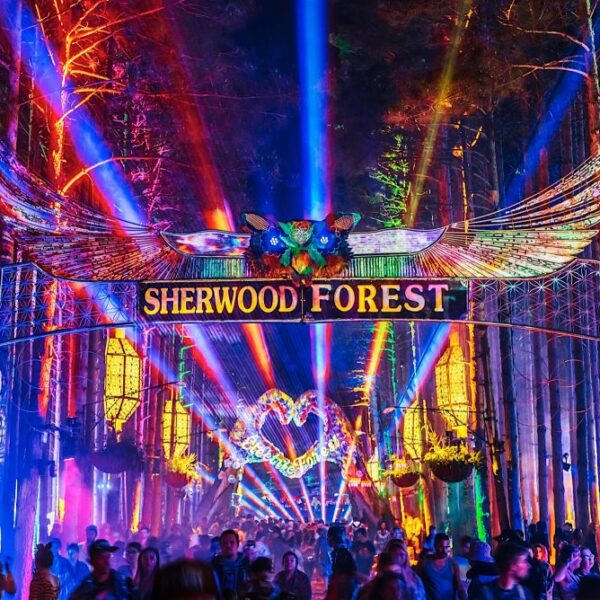
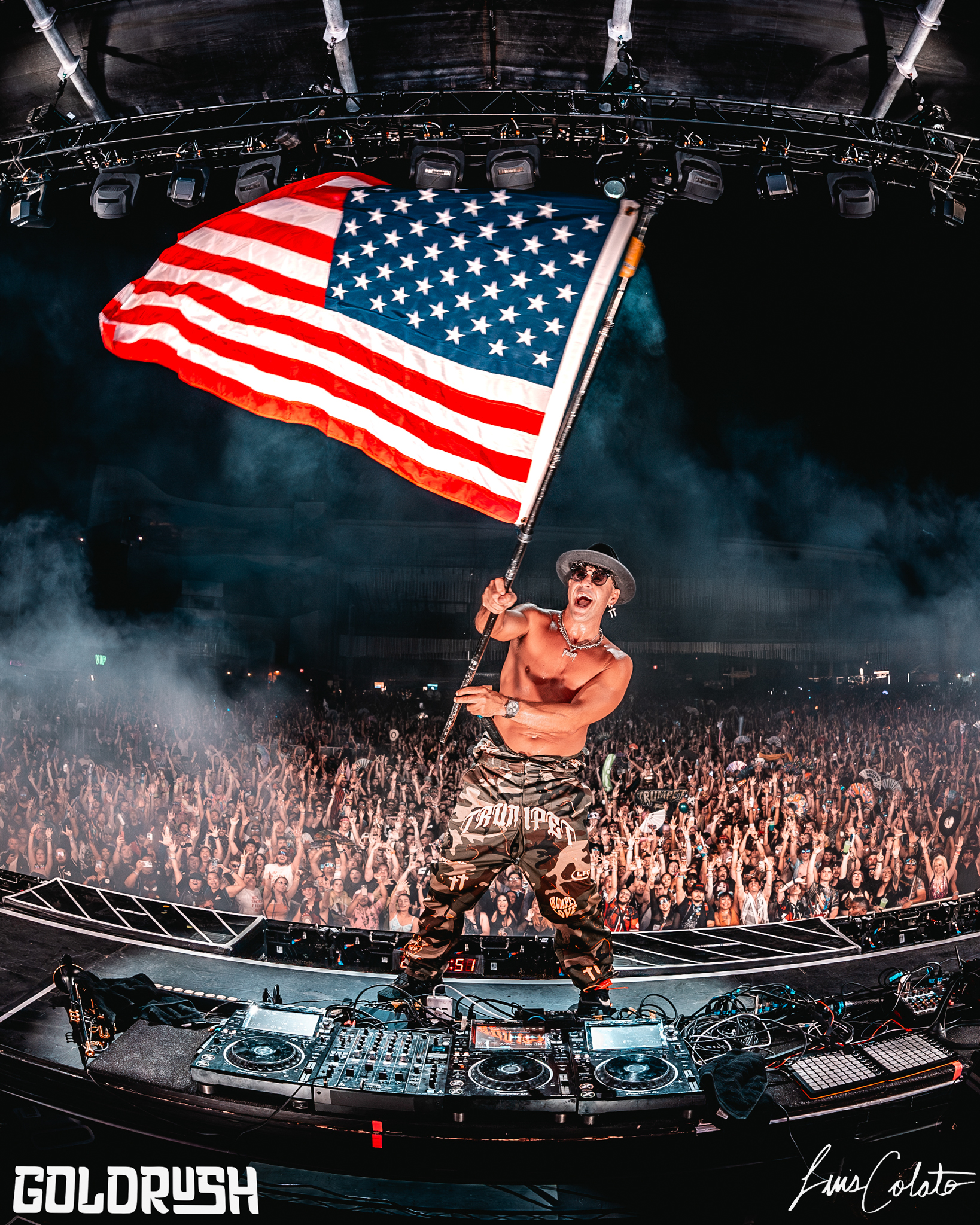
By the 2010s, EDM went global. Festivals like EDC, Ultra and Tomorrowland transformed raving from underground counterculture into a polished, mainstream spectacle. Production value soared—lasers, pyrotechnics, mega stages with elaborate design. With this came trade-offs. The mystery faded, replaced by accessibility. What was once niche and hidden was suddenly everywhere—on billboards, in commercials and headlining pop radio. Raving became a massive cultural export, but some longtime fans began to feel the original spirit slipping away.
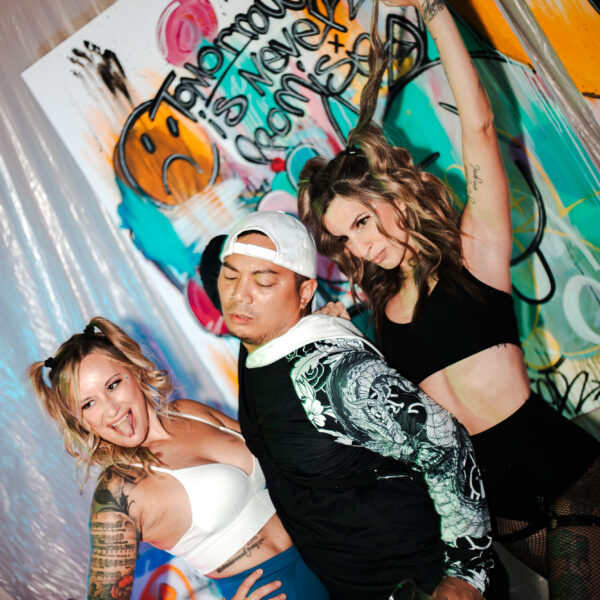
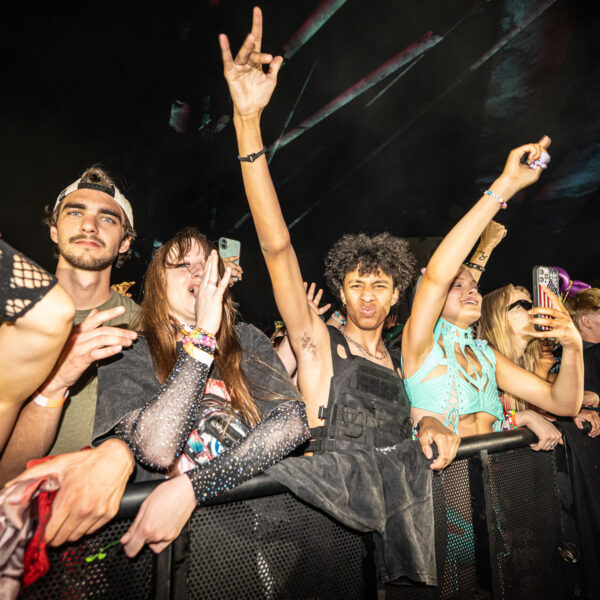
Social platforms reshaped raving even more. Instagram and TikTok turned festivals into stages where attendees perform as much as the artists. Outfits became statements. Viral dance trends and “for the feed” photo ops started driving how fans experienced shows. Fashion shifted from kandi and neon fluffies to curated, brand-backed looks that blur into streetwear and high fashion. Rave culture has always been more than just drugs and music, but in today’s social media era, it’s also more than just being there. It’s largely about being seen there.
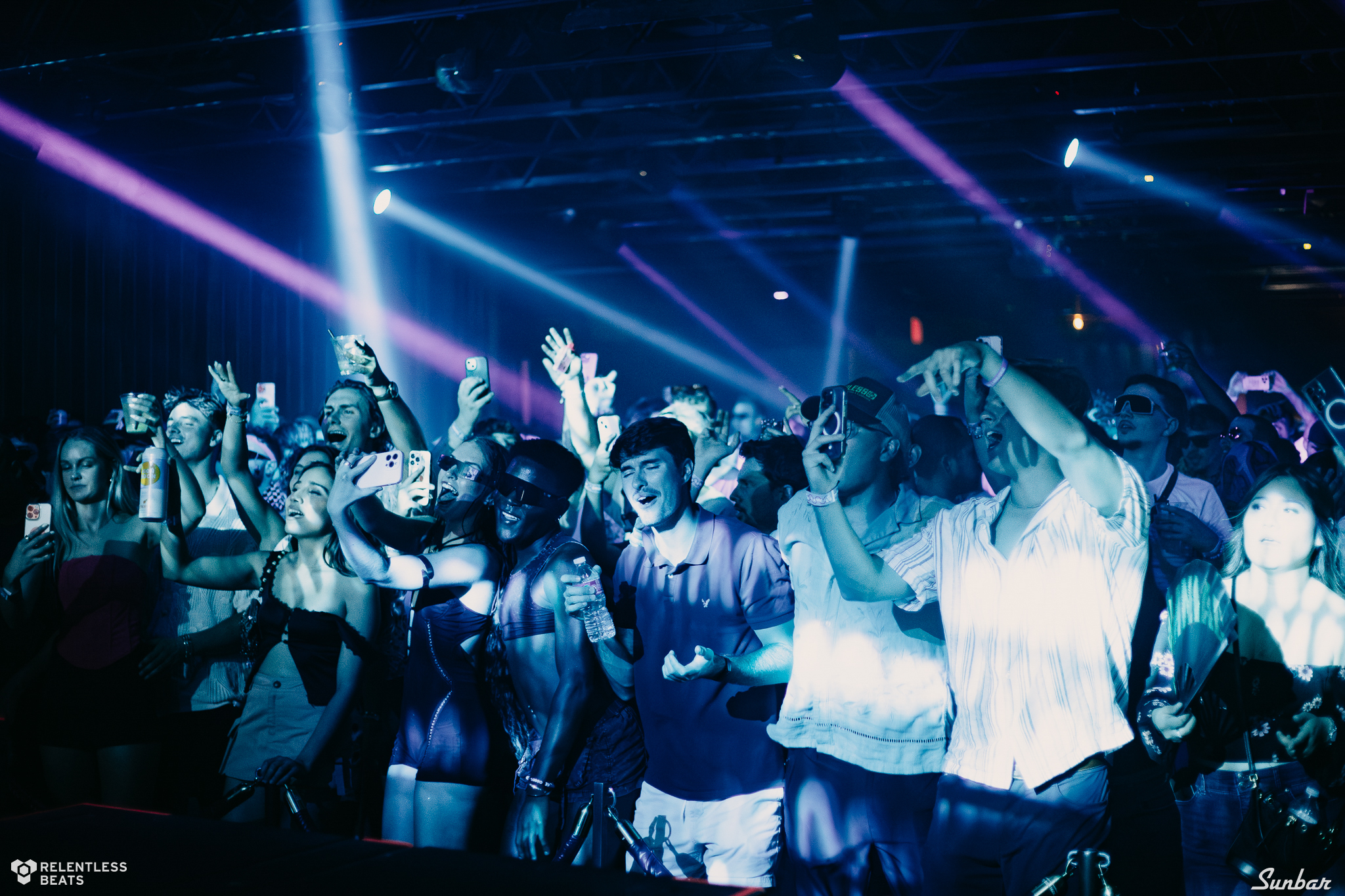
Another evolution is happening at the personal level in the mindset of ravers themselves. The early scene leaned heavily on escapism, sometimes with a side of excess. Today, the conversation looks different. Wellness and balance are coming to the forefront, and with that comes a revival of PLUR—the philosophy of peace, love, unity, and respect that fueled rave culture from the beginning. From sober raving collectives to yoga tents and meditation zones at festivals, there’s a stronger focus on mental health, sustainability, and mindful partying. As The New Yorker points out, raving has been “co-opted and reimagined,” but it’s also been re-centered by a new generation that values longevity over burnout.
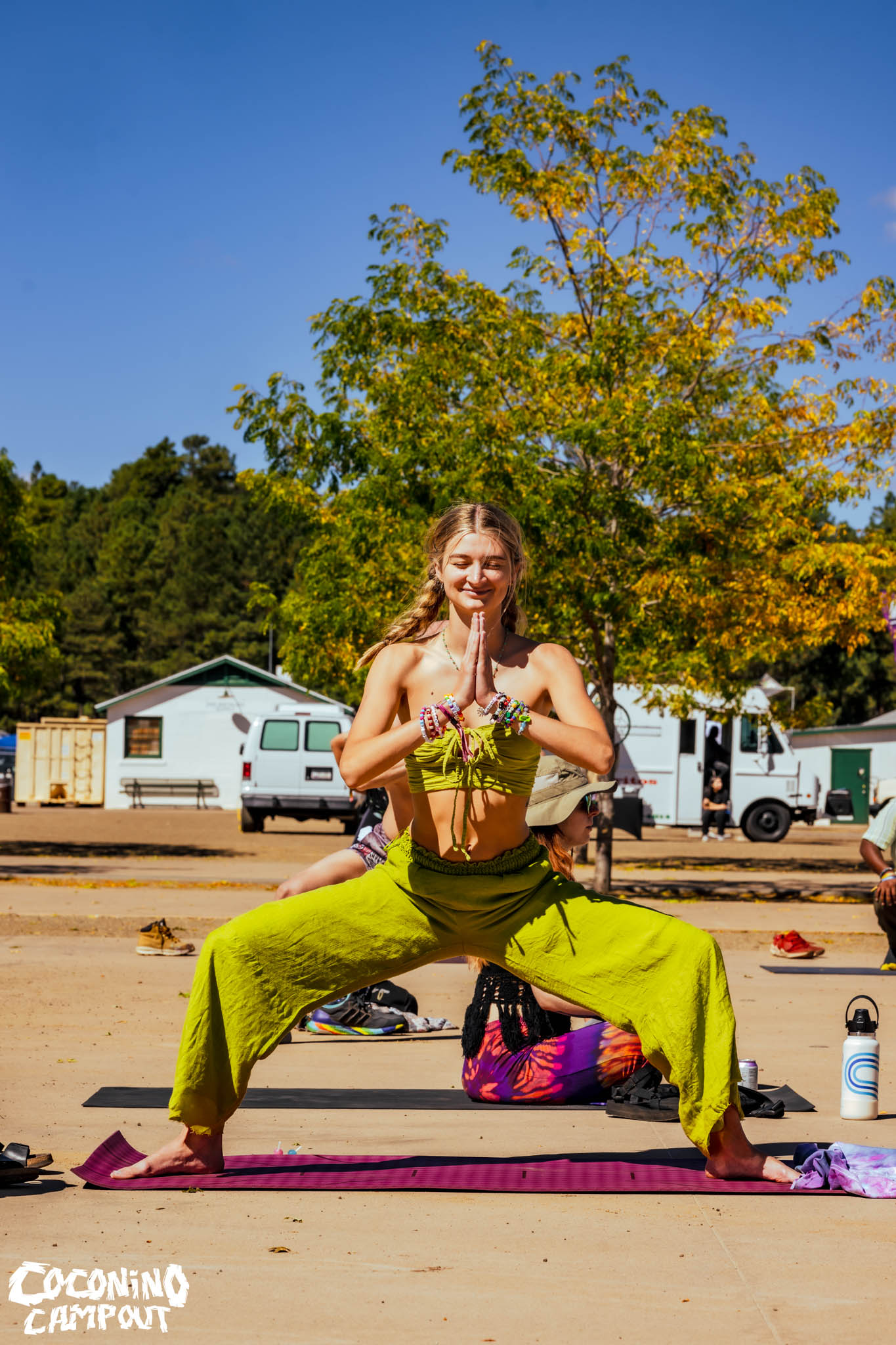
Rave culture isn’t disappearing, it’s evolving. What was once underground is now mainstream, what was once countercultural is now pop culture, and what was once purely about escape is now equally about wellness and expression. Sure, some of the grit and exclusivity of the old days may be gone, but the common thread remains the same: connection through music.
Any rave vets in the chat? Drop a comment and let us know how you’ve seen the culture change!

Copyright © 2026 Relentless Beats LLC. All rights reserved.
Use of this site constitutes acceptance of our terms & conditions and privacy policy.