

In Between Set Moments: Why Transition Time Is Part of the Experience
April 8, 2026
April 8, 2026

 Crankdat
 Breakaway Arizona 2026
 Coconino Campout 2026
 Goldrush: Midnight Riders 2026
 DJ Snake
 Effin
Effin AYYBO
AYYBO Obsidian 2025
 Seven Lions - Prelude: Gathering Twilight
 Body Language Fall 2025
 Buckcherry Set for a Wild West Takeover at Harold’s Cave Creek Corral
 RB Exclusive Interview: Odd Mob on Musical Impact, Celebrity Status, & Humility
 Liquid Stranger & TVBOO Collaborate on the Frequency-Bending Single, 'Cracked'
 The Evolution of John Summit: From Party Floors to Mindful Movement
 Same Same But Different Reveals SUBmerged Event Lineup
 Capozzi
 ISOxo
ISOxo Bella Renee
 Yetep
Yetep
Phoenix isn’t just desert sun and cacti. It’s a city that pulses with rhythm, light, and sound, one that has quietly evolved into one of the most vibrant electronic dance music hubs in the Southwest. Long before the towering LED screens, pyrotechnics, and festival stages of today, the heartbeat of the Arizona EDM scene began in the shadows, inside warehouses, under freeway bridges, and deep in the desert night. These were the early days of a movement that would come to define generations of music lovers searching for connection, creativity, and community.
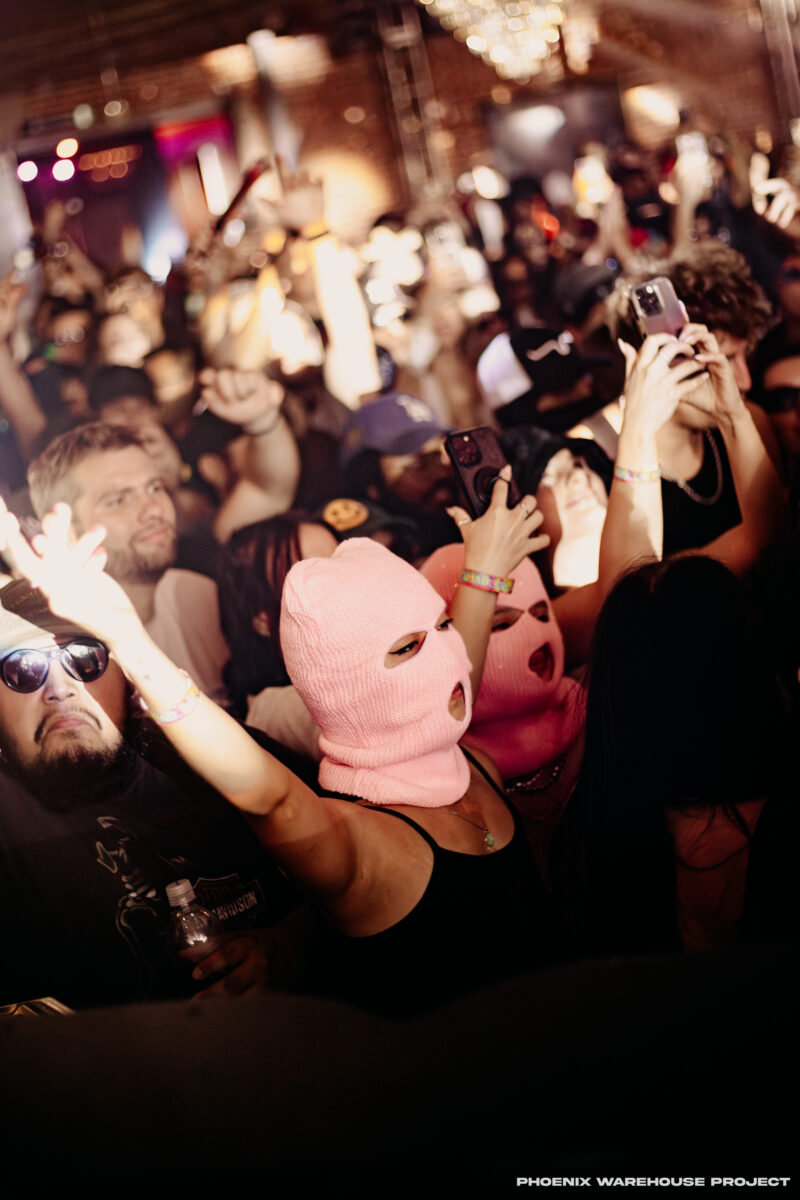
Back in the 1990s, the Phoenix rave scene was thriving. During the zenith of electronic dance music’s underground rise, all-night dance parties happened regularly in local warehouses and at venues like The Icehouse, drawing hundreds eager to get their groove on. The fashion was colorful, the beats were potent, and the vibes were contagious. DJs like Z-Trip, Pete Salaz, Markus Schulz, and CL McSpadden were regulars behind the decks, their names still echoing through local lore as legends who shaped the city’s sonic identity. These parties were more than just places to dance. They were safe spaces for self-expression, creativity, and escape. Word of mouth was everything, and those who experienced the earliest raves still recall the magic of watching trance and techno pulse through a crowd of glowing faces until dawn.

In the years that followed, the scene evolved but never lost its roots. By the 2000s, Phoenix’s electronic music culture had grown beyond its underground origins. Clubs dedicated to EDM began opening across the Valley, creating consistent spaces for fans to experience new sounds. Venues like The Nile and Boo’s Warehouse became iconic gathering spots where basslines shook the walls and friendships were formed under strobe lights. Resident DJs gained reputations far beyond Arizona, helping define the city’s sound while blending underground grit with mainstream accessibility. Progressive house, trance, and techno events were drawing hundreds, and Phoenix was suddenly being recognized as a serious player in the national conversation of electronic music.

Today, the transformation is impossible to ignore. Phoenix has become a full-fledged hub for electronic dance music, hosting some of the biggest names and most imaginative productions in the country. Promoters like Relentless Beats have been instrumental in this evolution, building from humble nightclub beginnings in the late 1990s into one of the most powerful independent electronic promoters in the United States. With over 200 EDM events a year, including 10 major festivals, Relentless Beats has given Arizona a consistent pulse that rivals any major music city.
Events like Phoenix Lights, inspired by the city’s famous UFO phenomenon, bring a cosmic twist to desert nightlife. Rawhide Event Center serves as the home base for the state’s largest festivals, hosting artists like Skrillex, Excision, Zeds Dead, and Rezz. Each festival feels distinct, with stage design and production that constantly push creative boundaries.
Yet Phoenix’s electronic story isn’t just about large-scale festivals. It’s about community. Venues like Shady Park in Tempe were beloved havens for house and techno fans, blending ramen, sushi, and beats under the canopy of a glowing grove. Warehouse 215, Darkstar, and Sunbar are adored spaces for like-minded ravers to dance the night away with their friends.
From the dusty nights of the 90s to the massive desert stages of today, Arizona’s EDM scene has been a story of growth, resilience, and reinvention. It’s a living, breathing example of what happens when creativity meets community, when beats echo off red rock and neon lights reflect against desert skies. The sound that began in hidden warehouses has become the soundtrack of a generation.
Phoenix’s story is still being written, and the energy that started decades ago continues to spread across new venues, festivals, and artists. Every drop, every build, and every flashing light tells part of the same story: that the desert doesn’t just hold silence, it carries sound. Big, beautiful, unrelenting sound. Arizona’s electronic dance scene has not only grown, it has thrived, and for those who have been part of it, there’s no place else they’d rather be when the bass hits and the night comes alive.



Copyright © 2026 Relentless Beats LLC. All rights reserved.
Use of this site constitutes acceptance of our terms & conditions and privacy policy.