

The Evolution of John Summit: From Party Floors to Mindful Movement
March 27, 2026
March 27, 2026

 DJ Diesel
 Crankdat
 Breakaway Arizona 2026
 Goldrush: Midnight Riders 2026
 RØZ
RØZ  AYYBO
AYYBO Grabbitz
 Effin
Effin Beltran
 Seven Lions - Prelude: Gathering Twilight
 Zeds Dead, Subtronics, & Tape B Release 'Word Scramble'
 John Summit & The Chainsmokers Just Gave Us the Best of Both Worlds
 The Evolution of John Summit: From Party Floors to Mindful Movement
 ANOTR Releases 'Talk To You' With 54 Ultra
 How a DJ’s Toolkit Has Expanded in 2026
 Capozzi
 ISOxo
ISOxo Bella Renee
 Yetep
Yetep
Dance music was born in the underground. Long before EDM dominated festival main stages, the culture took shape in warehouses, basements, community halls, and underground clubs. The spaces where DJs, dancers, and sounds evolved together in real time, hidden from the rest of the world’s noise. The massive festival era boom of the 2010s didn’t erase those roots, but it did momentarily overshadow them. Now, as the spectacle-driven model shows signs of fatigue and burnout, the scene is quietly circling back to what made it so powerful in the first place: smaller, more intentional gatherings where music feels personal rather than performative.
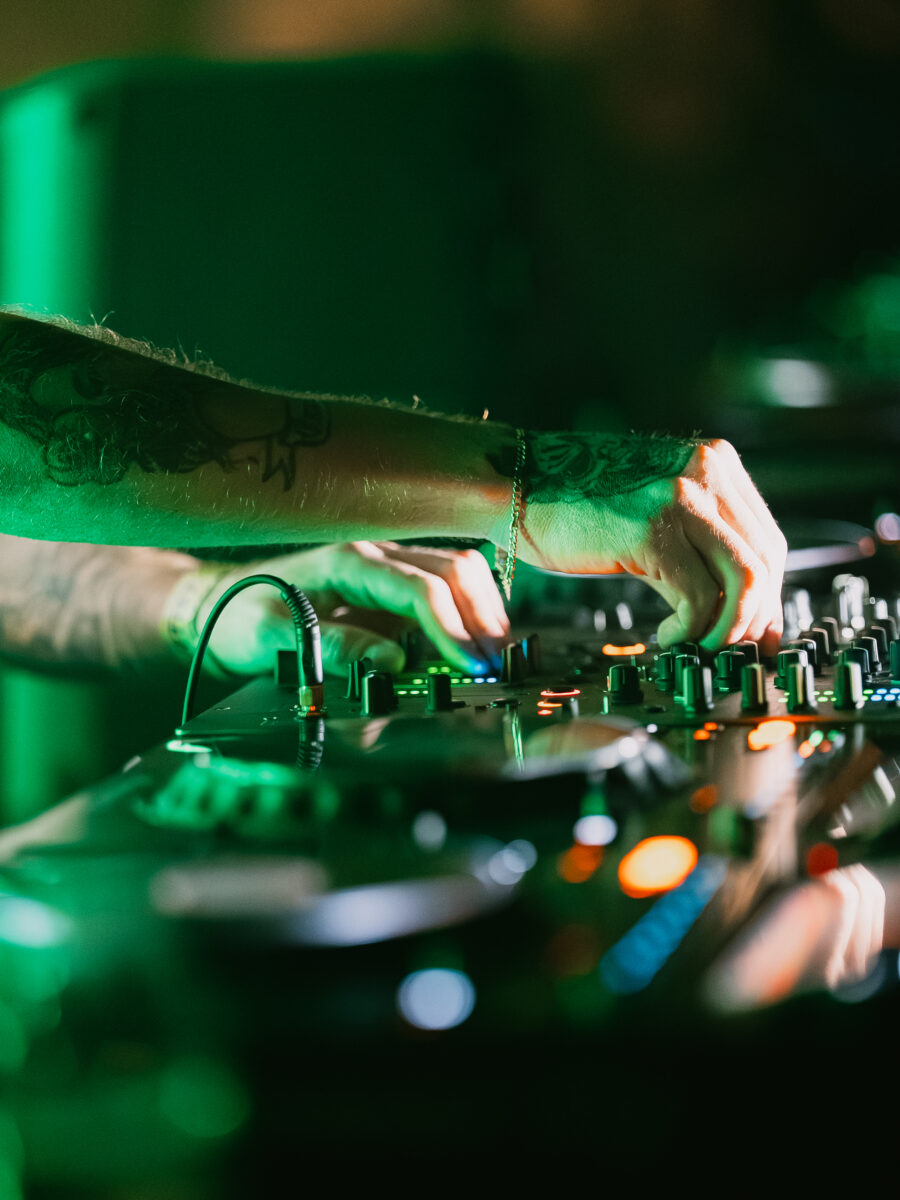
Today’s micro scenes thrive on intimacy and experimentation. Pop-up parties, DIY shows, and low-capacity club nights create a sense of exclusivity not through status or price, but through shared discovery. These are rooms where artists take risks, where DJs can stretch time, and where the crowd isn’t just consuming the moment but shaping it. That energy has even begun to seep back into major festivals themselves. At Decadence Arizona, the Conservatory stage emerged as one of the most talked-about spaces of the weekend, not because of its size or production value, but because of its underground sensibility. House and techno DJs played extended two-hour sets, allowing grooves to breathe and narratives to unfold. In contrast to the rapid-fire pacing of the main stages, the Conservatory felt closer, slower, and more intentional—proof that scale doesn’t have to come at the expense of connection.

This shift is reflected in the way many artists are approaching their craft. No longer bound solely to peak-time drops or algorithm-friendly moments, producers and DJs are leaning into long-form storytelling, genre-blurring selections, and deeper, more patient grooves. Micro scenes offer space for sounds like hardgroove techno, left-field house, experimental bass, and trance hybrids to develop without needing immediate mainstream validation. These environments reward trust between artist and audience, allowing music to evolve organically rather than on a release schedule dictated by trends.
At the same time, this movement isn’t about rejecting visibility altogether. Some artists continue to work effectively within viral ecosystems like TikTok, using short-form moments as an alternative creative outlet and a different pathway to connection. Festival main stages will always remain important cultural touchstones. What’s changing is the hierarchy. Large-scale events no longer define the entire ecosystem; they coexist alongside smaller rooms and community-driven spaces that often shape ideas long before they reach a wider audience. Festivals may showcase the movement, but micro scenes define it.
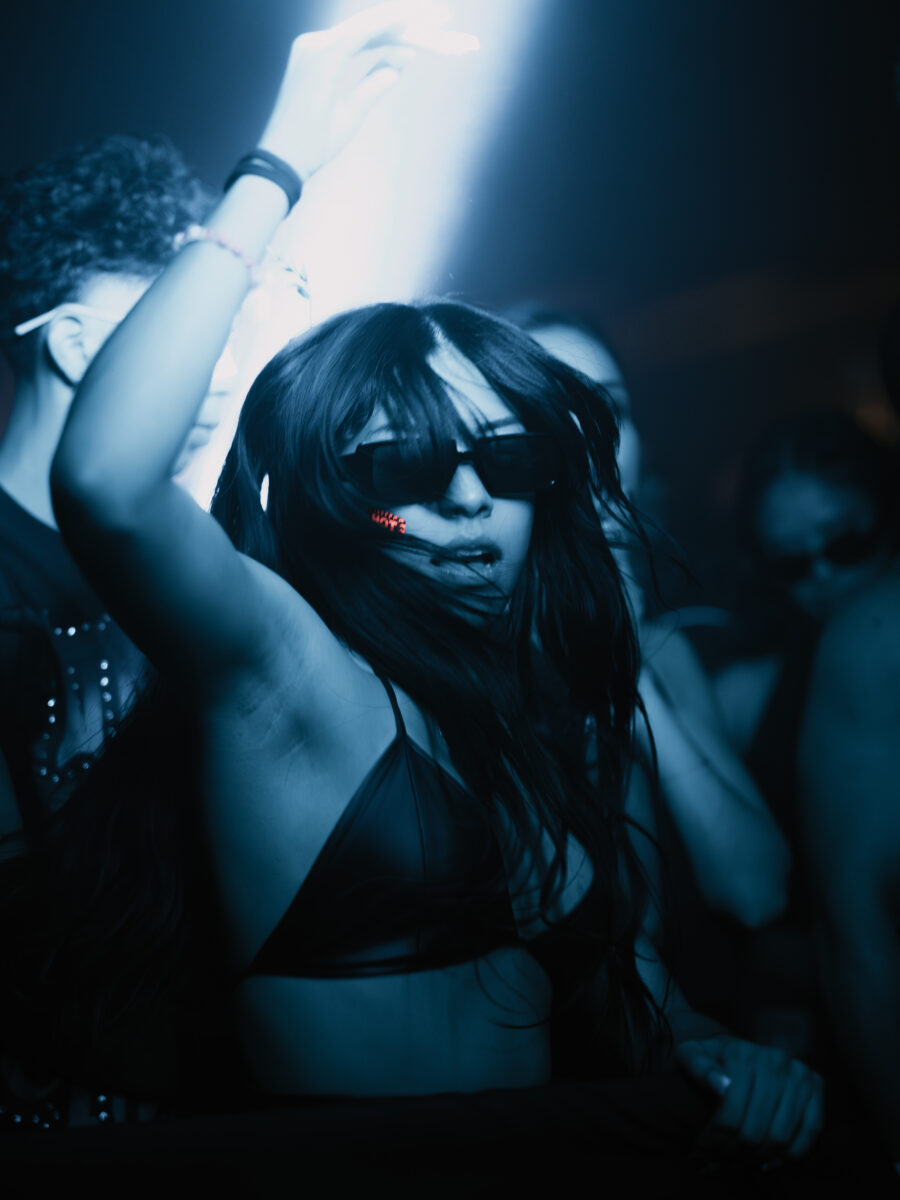
This return to intimacy isn’t accidental. As production costs rise and large events become increasingly predictable, both artists and audiences are gravitating toward spaces that prioritize atmosphere, freedom, and trust. These gatherings operate on word of mouth and shared values rather than marketing cycles. They foster belonging in ways that can’t be manufactured, because they’re built on presence rather than spectacle. What defines this moment isn’t hype, but subtlety. The underground isn’t announcing its return with billboards or viral campaigns. It’s resurfacing quietly, in untagged flyers, private group chats, late-night set times, and lineups shared hours before doors open. These spaces resist constant documentation, prioritizing presence over proof. In an era of endless content and visibility, choosing not to broadcast becomes a form of intention. The quiet return of the underground isn’t about going backward; it’s about creating room to listen, to feel, and to let the music exist without interruption.


Copyright © 2026 Relentless Beats LLC. All rights reserved.
Use of this site constitutes acceptance of our terms & conditions and privacy policy.