
Why DJs Are Talking Less on the Mic, and Why It Work
March 26, 2026
March 26, 2026

 Decadence Arizona: Sands of Eternity 2026
 Crankdat
 RØZ
RØZ  DJ Diesel
 Jkyl & Hyde
 Effin
Effin AYYBO
AYYBO Grabbitz
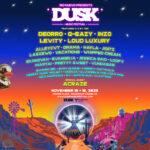 DUSK Music Festival 2025
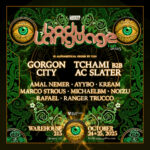 Body Language Fall 2025
 John Summit & The Chainsmokers Just Gave Us the Best of Both Worlds
 ANOTR Releases 'Talk To You' With 54 Ultra
 The Era of the Side Quest: How Fans Build Entire Festival Experiences Outside the Lineup
 How DJs Quietly Test New Sounds Before Going Public
 Why DJs Are Talking Less on the Mic, and Why It Work
 Capozzi
 ISOxo
ISOxo Bella Renee
 Yetep
Yetep
There was a time when the biggest name on the poster was enough. You bought the ticket, circled the headliner, and measured the night by how close you got to the rail or how loud the drop felt. Somewhere along the way, that equation changed. Quietly, almost without announcement, a new way of valuing experiences began to take hold. Fans stopped talking about who they saw and started talking about how it felt.
In 2026, the currency of live music is no longer star power. It is the afterglow. It is the lingering warmth that stays with you long after the lights come up, the moment you replay in your head on the drive home, the feeling you try to describe but never quite can. People leave festivals talking less about headliners and more about smaller stages that stole the night, unexpected sets that caught them off guard, or that one moment where everything aligned and the crowd moved as one.
This shift is not accidental. It is deeply tied to the reality people are living in. The economy has tightened, and discretionary spending feels heavier than it once did. Tickets, travel, food, and time off all carry more weight now. When money is harder to come by, experiences are no longer disposable. Fans are asking themselves a different question before committing. Not “Who is playing?” but “What will I take away from this?”
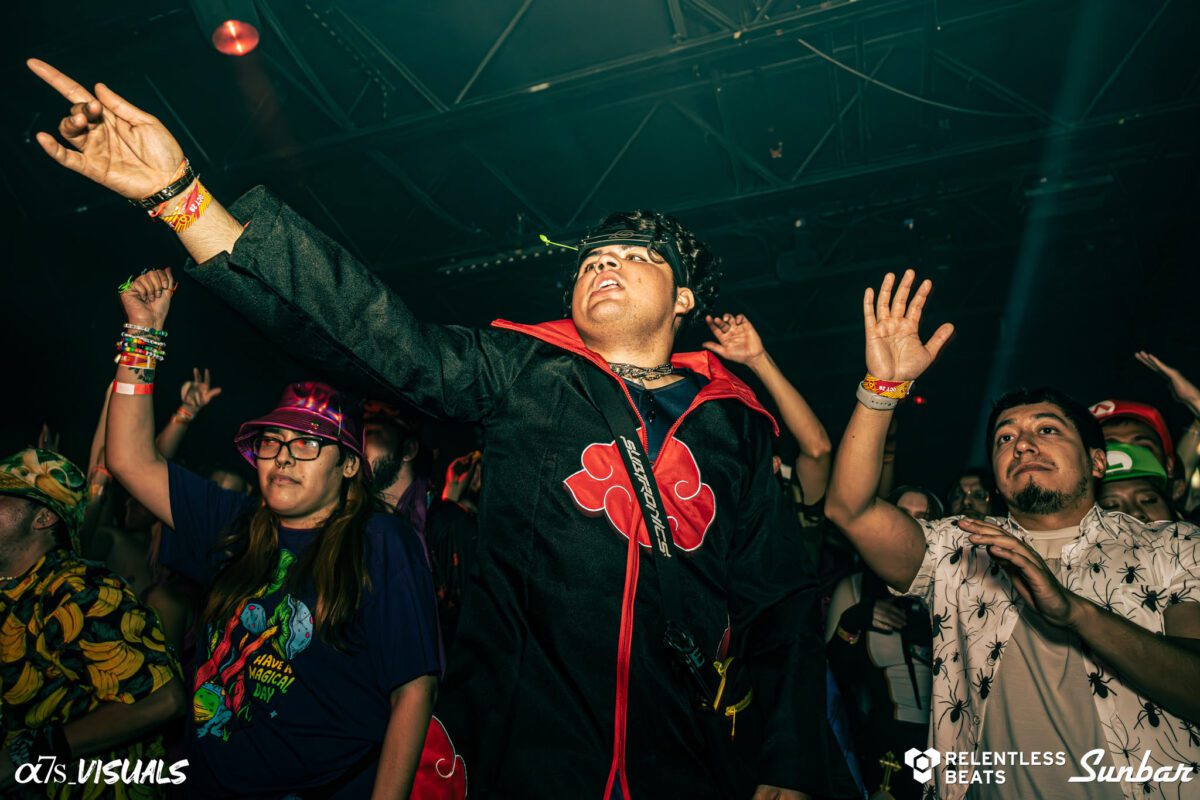
As a result, people are becoming more intentional with how they rave. They are skipping full weekends for single days that promise a certain energy. They are choosing stages based on vibe rather than billing. They are leaving early if a moment feels complete instead of staying out of obligation. This is not disengagement. It is discernment.
The most talked about moments are rarely the most advertised ones. It is the sunset set that felt like a collective exhale. The side stage where the crowd was small enough to feel each other breathing. The transition that no one filmed but everyone remembers. These moments carry emotional value, and that value lasts longer than a checklist of artists seen.
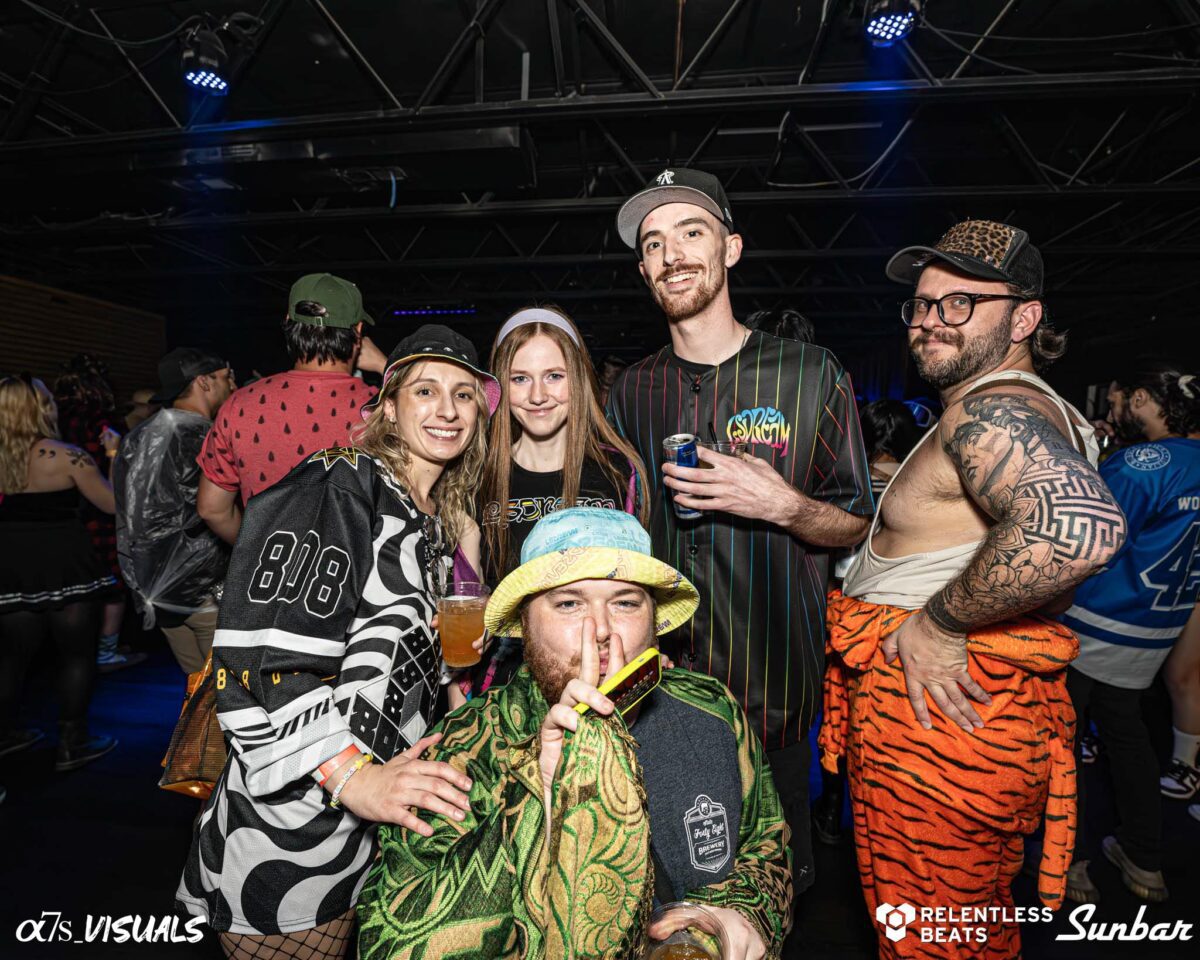
What fans are really investing in now is emotional return. They want to feel lighter afterward, not depleted. They want connection, not consumption. In a world that constantly asks for productivity, efficiency, and performance, live music has become one of the few places where people expect something different. They want to feel human again.
This afterglow economy rewards presence over prestige. It favors experiences that feel personal, even inside massive spaces. It explains why smaller stages often feel more alive, why early sets can feel more meaningful than closers, and why the phrase “you had to be there” carries more weight than ever.
Live music has always been about more than sound, but now the emotional math is explicit. Fans are prioritizing what nourishes them, because they have to. And in doing so, they are reshaping the culture itself. The future of raving is not louder or bigger. It is deeper. It is the pursuit of feeling something real and carrying it with you long after the bass fades.

Copyright © 2026 Relentless Beats LLC. All rights reserved.
Use of this site constitutes acceptance of our terms & conditions and privacy policy.