

The Benefits of Limiting Phone Use: My Experience at System Overload
March 17, 2026
March 17, 2026

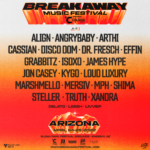 Breakaway Arizona 2026
 Crankdat
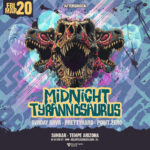 Midnight Tyrannosaurus
 DJ Diesel
 Goldrush: Midnight Riders 2026
 Effin
Effin DUSK Music Festival 2025
 AYYBO
AYYBO Obsidian 2025
 Grabbitz
 Bass Frequencies & Body Physics: Why You Feel Certain Songs in Your Chest
 ANOTR Releases 'Talk To You' With 54 Ultra
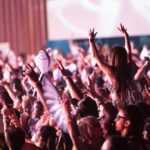 The Benefits of Limiting Phone Use: My Experience at System Overload
 Alix Perez’s 1985 Music Return: 'Sabotage'
 Why EDM Feels Like Home for People Who Never Fit Anywhere Else
 Capozzi
 ISOxo
ISOxo Bella Renee
 Yetep
Yetep
The drive home feels longer than the drive there.
Maybe it’s the dust still sitting in your shoes. Maybe it’s the way your ears are still ringing faintly, phantom bass echoing where there’s now only highway noise. Or maybe it’s the silence. After days of constant music, chatter, and movement, silence doesn’t feel peaceful. It feels heavy.
Post-festival comedowns aren’t new. But lately, they seem to hit harder than ever.
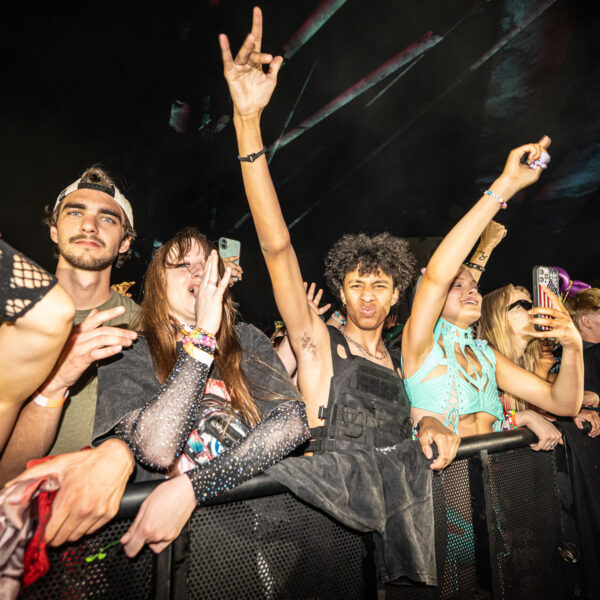
It starts small. The wristband is still on. The glitter hasn’t fully washed out of your hair. Your phone camera roll is overflowing with blurry videos of drops that felt life-changing in the moment. You tell yourself you’ll sort through them later. You tell yourself you’ll post a recap. Instead, you just stare at one clip on repeat, trying to crawl back inside it.
Because what no one really prepares you for is the emotional hangover.
It’s not just physical exhaustion, though that’s there too. The sore legs. The dehydration. The attempt to fix the sleep debt. It’s the quiet return to normal life that hits the hardest. Alarm clocks. Emails. Traffic lights. The grocery store. The world feels muted, like someone turned the saturation down.
At the festival, everything was amplified. Color felt brighter. Strangers felt like family. Time felt suspended. You didn’t have to explain yourself. You didn’t have to be productive. Your only responsibility was to feel the music and take care of each other.

Then the lights shut off.
And you’re back in your room, suitcase half-unpacked, wristband still wrapped around your arm like proof that it all actually happened.
There’s gratitude woven into the ache. Gratitude for the sunset set that made you cry. For the friend who grabbed your hand before your favorite drop. For the stranger who fanned you in the crowd without asking for anything in return. For the moment the entire field sang the same lyric and it felt like the world was aligned.
But alongside gratitude is grief.
Grief for the temporary city that no longer exists. Grief for the version of yourself that felt so light and uninhibited under the lasers. Grief for the simplicity of waking up with one goal, make it to the rail by sunset.
It can feel dramatic to mourn something that was designed to end. But festivals create condensed worlds. For a few days, you live inside a heightened reality where connection is easy and joy is prioritized. Leaving that behind can feel like stepping off a cliff back into routine.
In 2026, when daily life already feels overstimulating and undernourishing at the same time, that contrast is sharper. The festival becomes more than entertainment. It becomes a reminder of how alive you’re capable of feeling.
So if you’re staring at your wristband days later, unsure why your chest feels both full and hollow, you’re not alone.
The quiet is part of it.
The exhaustion is part of it.
The lump in your throat when a song from the weekend comes on shuffle is part of it too.
Let yourself replay the memories. Let yourself miss it. Let yourself be grateful that something moved you enough to leave a bruise on your heart.
The lights shut off, yes.
But the fact that it hurts a little means it mattered.
And that kind of ache is proof that you were fully there.

Copyright © 2026 Relentless Beats LLC. All rights reserved.
Use of this site constitutes acceptance of our terms & conditions and privacy policy.