
The Era of the Side Quest: How Fans Build Entire Festival Experiences Outside the Lineup
March 24, 2026
March 24, 2026

 DJ Diesel
 Decadence Arizona: Sands of Eternity 2026
 Crankdat
 Jkyl & Hyde
 Breakaway Arizona 2026
 Effin
Effin AYYBO
AYYBO Grabbitz
 DUSK Music Festival 2025
 Obsidian 2025
 John Summit & The Chainsmokers Just Gave Us the Best of Both Worlds
 ANOTR Releases 'Talk To You' With 54 Ultra
 How DJs Quietly Test New Sounds Before Going Public
 The Era of the Side Quest: How Fans Build Entire Festival Experiences Outside the Lineup
 How a DJ’s Toolkit Has Expanded in 2026
 Capozzi
 ISOxo
ISOxo Bella Renee
 Yetep
Yetep
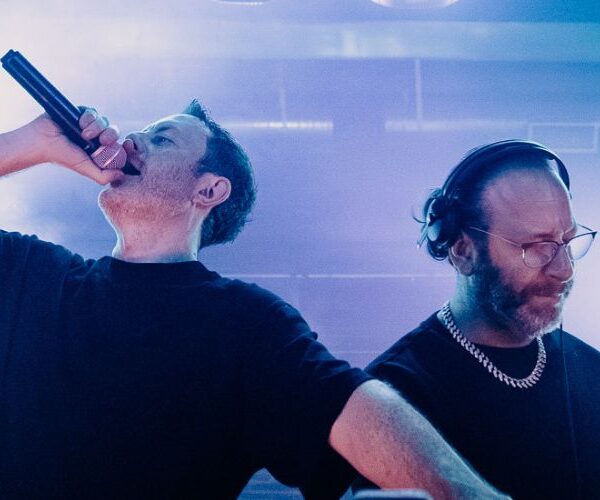
There was a time when the mic was part of a DJ’s performance. The cues were predictable, almost expected. They told the crowd when to move, when to react, when the drop was coming. For a while, that kind of hype language defined big-room energy. It turned sets into shared countdowns, moments built on instruction as much as anticipation.
But these days, something has changed. More DJs are stepping up to the booth, pressing play, and saying almost nothing at all.
At first, it’s noticeable. The silence between transitions feels different without a voice guiding it. There’s no reminder to raise your hands, no countdown to the drop. Just music, moving exactly as it wants to.

And surprisingly, it works. In many cases, it works better.
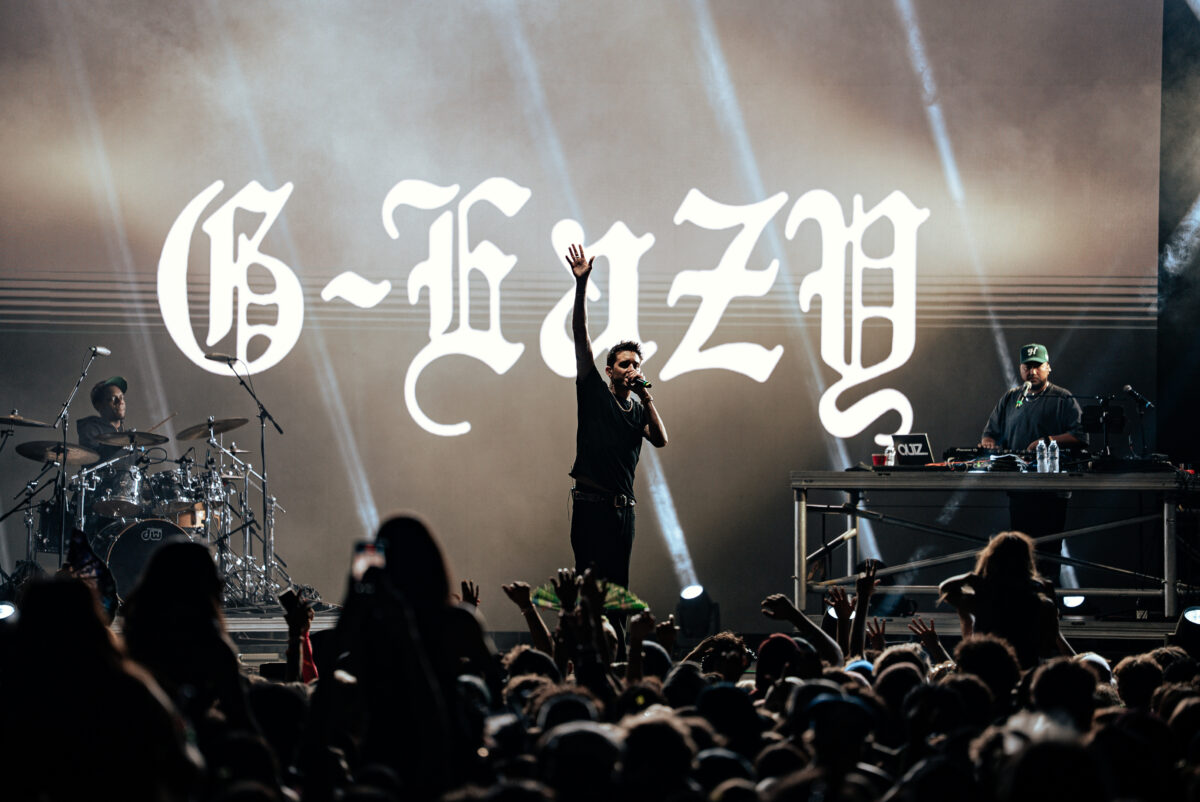
The shift away from heavy mic use reflects a deeper change in how audiences engage with dance music. Crowds don’t need as much direction anymore. They know when to jump. They know when the drop is coming. They feel it building in their chest long before anyone could count it down.
Telling them what to do can start to feel unnecessary. Even disruptive.
Because one of the most powerful things about a great set is immersion. When the music flows uninterrupted, it creates a kind of tunnel vision. The outside world fades. The rhythm takes over. You stop thinking and start reacting.
A sudden voice cutting through that can break the spell. So more artists are choosing restraint.
They let the build stretch naturally. They trust the crowd to recognize the moment. When the drop hits, it’s not because someone told the audience it was coming. It’s because everyone felt it arrive together. That shared instinct creates a different kind of energy. Less instructed, more collective.
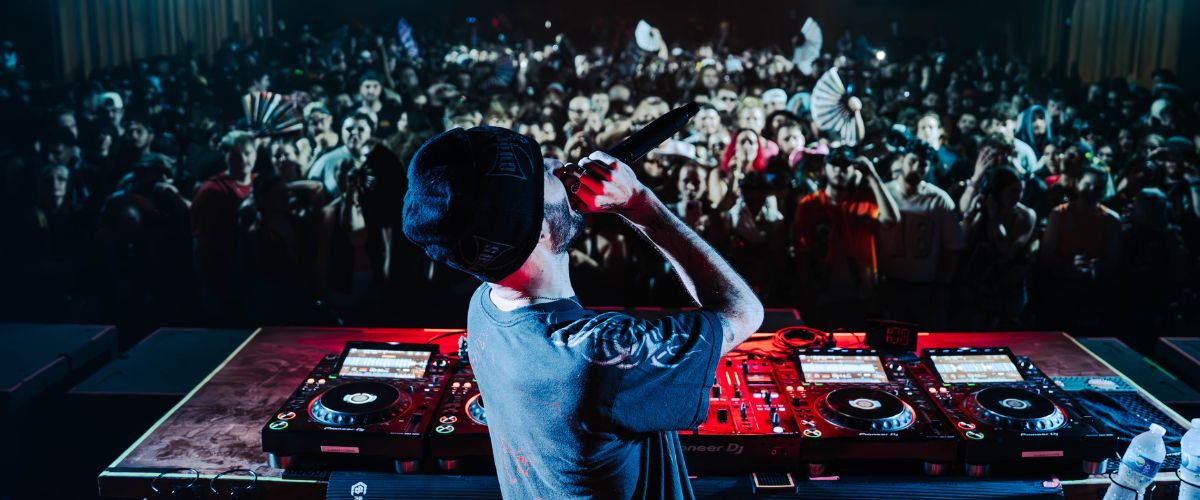
There’s also a shift in tone. Dance music, especially across certain styles, has leaned into deeper, more emotional spaces. Longer builds. Atmospheric transitions. Tracks that feel more like journeys than isolated moments.
Constant mic interaction doesn’t always fit that environment. Silence, in this context, becomes a tool.
It allows tension to breathe. It gives space for melodies to land. It lets the crowd connect with the music without interruption. Instead of being guided through the experience, listeners are invited to discover it in real time.
That doesn’t mean the mic has disappeared entirely.
There are still moments where it matters. A quick thank you. A genuine acknowledgment of the crowd. A rare, well-timed callout that adds to the energy instead of forcing it. When used sparingly, it can feel more meaningful than constant hype ever did. But the balance has shifted.
The performance is less about commanding attention and more about holding it.
For some fans, the older style still carries nostalgia. There’s a certain charm in those chaotic countdowns, the collective shout before a drop. But for many, the quieter approach feels more aligned with what dance music has always been at its core. Not a set of instructions.A shared experience.
So does it work?
Step into a crowd during a wordless build, where no one is being told what to do, and watch what happens. Hands still go up. Voices still rise. The drop still hits just as hard, if not harder.

Copyright © 2026 Relentless Beats LLC. All rights reserved.
Use of this site constitutes acceptance of our terms & conditions and privacy policy.