

Stab Leans Into the Dancefloor on New Single, ‘It’s On You’
April 6, 2026
April 6, 2026

 Crankdat
 Breakaway Arizona 2026
 drinkurwater
 Goldrush: Midnight Riders 2026
 Coconino Campout 2026
 AYYBO
AYYBO Obsidian 2025
 Grabbitz
 Effin
Effin Danny Avila
 Same Same But Different Reveals SUBmerged Event Lineup
 ANOTR Releases 'Talk To You' With 54 Ultra
 Stab Leans Into the Dancefloor on New Single, 'It's On You'
 GRiZ Unveils 'All I Need,' a Golden Hour Groove That Feels Like Summer
 Why Some Drops Feel Like Closure and Others Feel Like Release
 Capozzi
 ISOxo
ISOxo Bella Renee
 Yetep
Yetep
There is a certain kind of energy that only exists after midnight. Streets quiet down, lights feel brighter, and time seems to stretch in a way it never does during the day. For ravers, this is not just a preference. It is instinct. Long after most of the world winds down, EDM lovers come alive, drawn to basslines, strobes, and shared moments that feel more vivid in the dark. While it may seem like a pure lifestyle choice, there is real science behind why electronic music culture thrives at night.
At the core of this phenomenon is the circadian rhythm, the internal clock that regulates sleep, alertness, and energy levels. Not everyone is wired the same. Some people are biologically inclined toward later sleep cycles, often referred to as night chronotypes. These individuals experience peak focus, creativity, and emotional openness during evening and late-night hours. For them, midnight is not exhaustion; it is ignition. Rave culture naturally aligns with this rhythm, offering stimulation at the exact moment their bodies and minds are most receptive.
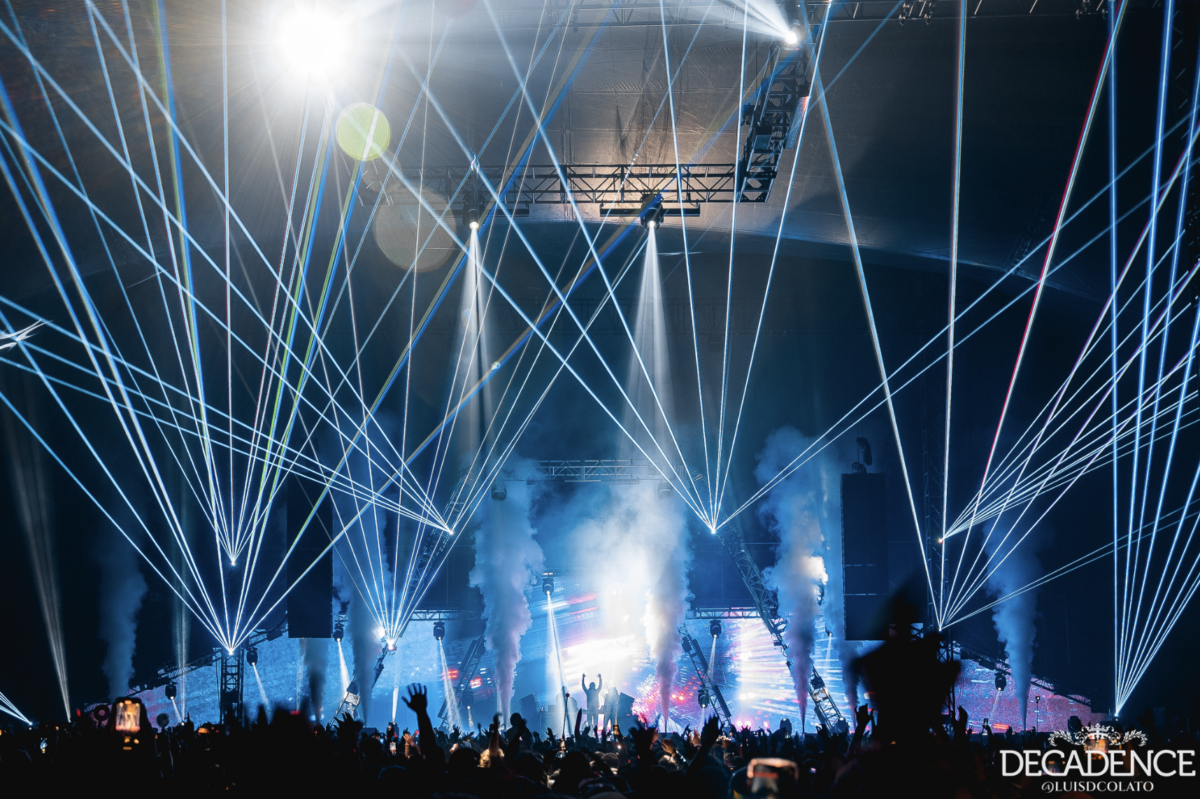
Dopamine also plays a major role in the late-night pull. Dopamine is the neurotransmitter associated with pleasure, reward, and anticipation. Music, especially rhythm-driven electronic music, triggers dopamine release, and that effect is amplified in environments where sensory input is heightened. Late-night settings provide that amplification. Darkness sharpens sound, lights feel more immersive, and the absence of daytime distractions allows the brain to fully lock into rhythm and movement. Each drop, build, and transition becomes more emotionally impactful when the mind is no longer split between obligations.
There is also a psychological freedom tied to nighttime. After midnight, expectations dissolve. Work emails stop, responsibilities pause, and social norms loosen. This mental release creates space for a deeper connection to music and community. On a crowded dancefloor at 2 a.m., people are more present, more expressive, and more open. The shared experience feels intimate, even in massive crowds. This is one reason sunrise sets hold such emotional weight. They represent not just endurance, but collective transformation, moving from darkness into light together.
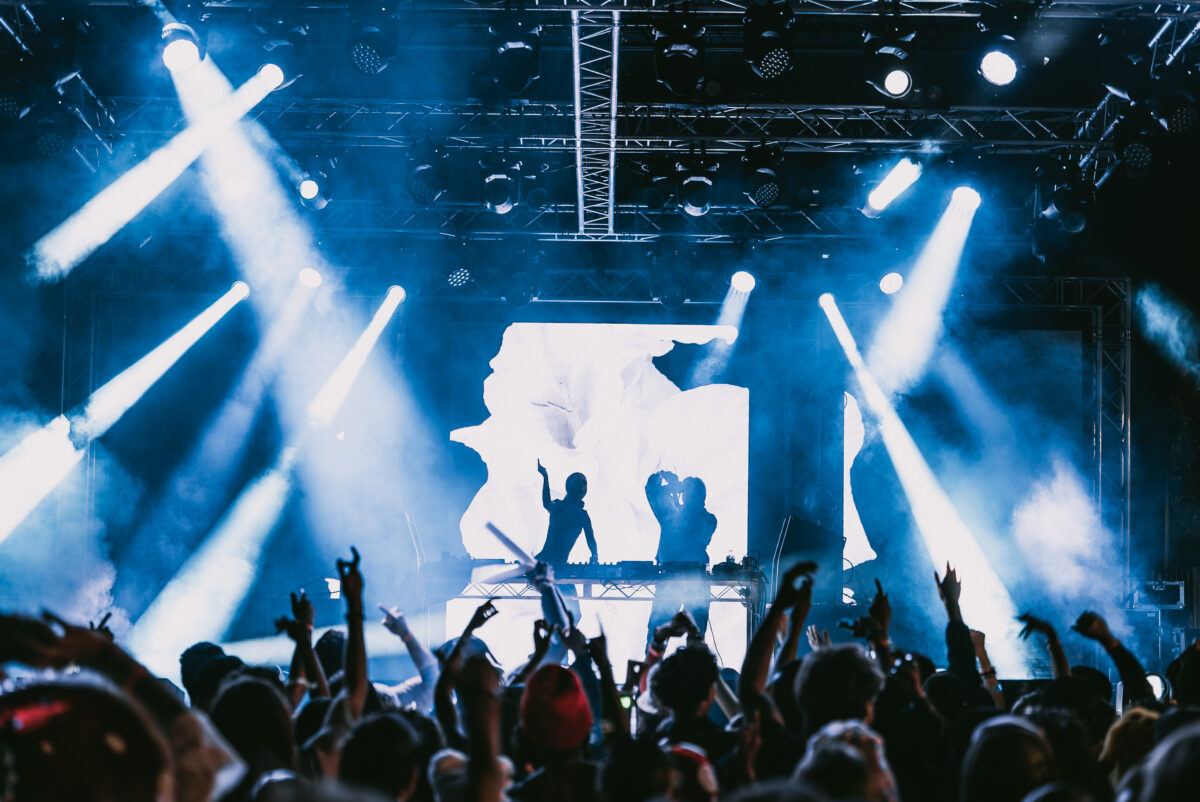
Sensory stimulation is another key factor. EDM events are designed to overwhelm the senses in a controlled way, using lights, visuals, bass, and movement to create full immersion. At night, the brain processes sensory input differently. Reduced visual noise allows light and sound to hit harder, while fatigue lowers emotional defenses, making experiences feel more intense and memorable. This is why tracks heard at 3 a.m. often feel more powerful than the same song played in daylight.
For ravers, late nights are not about escapism alone. They are about alignment. Biological rhythm meets emotional release, music meets movement, and individual energy syncs with collective flow. Science explains what the culture has always known. The night is where electronic music truly lives
Copyright © 2026 Relentless Beats LLC. All rights reserved.
Use of this site constitutes acceptance of our terms & conditions and privacy policy.