


Why We Keep Coming Back: The Quiet Pull of the Next Show
April 14, 2026
April 14, 2026

 Crankdat
 Breakaway Arizona 2026
 Coconino Campout 2026
 Goldrush: Midnight Riders 2026
 DJ Snake
 Effin
Effin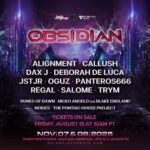 Obsidian 2025
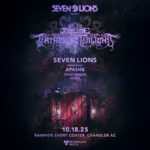 Seven Lions - Prelude: Gathering Twilight
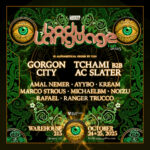 Body Language Fall 2025
 AYYBO
AYYBO San Holo, LSDREAM, & Artemis Orion Collaborate on Vibrant New Release, 'PULL ME CLOSER'
 Kill The Noise & Bro Safari Release Highly-Anticipated ‘Kill Safari’ EP
 Why We Keep Coming Back: The Quiet Pull of the Next Show
 Zeds Dead, Subtronics, & Tape B Release 'Word Scramble'
 Buckcherry Set for a Wild West Takeover at Harold’s Cave Creek Corral
 Capozzi
 ISOxo
ISOxo Bella Renee
 Yetep
Yetep
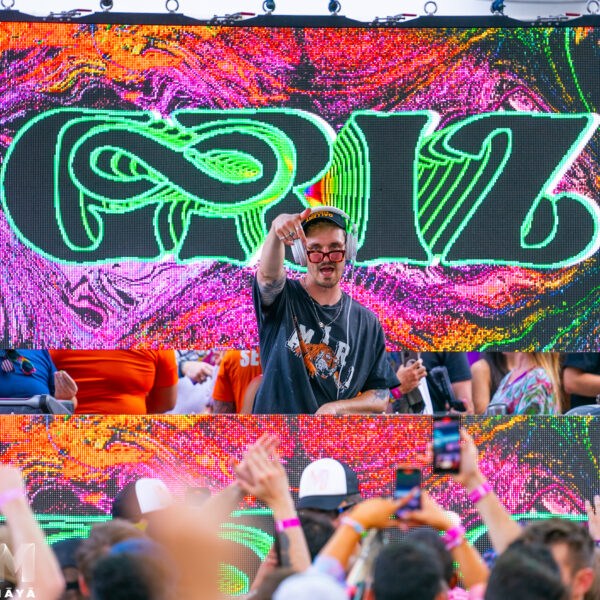
From the dance floor, it can look effortless. A DJ stands behind the booth, hands moving with the rhythm, track after track landing exactly when it should. But what the crowd experiences as magic is actually a constant exchange of information happening in real time. Every great set is shaped by a DJ’s ability to read a room, adjust on instinct, and guide collective energy through a carefully balanced arc.
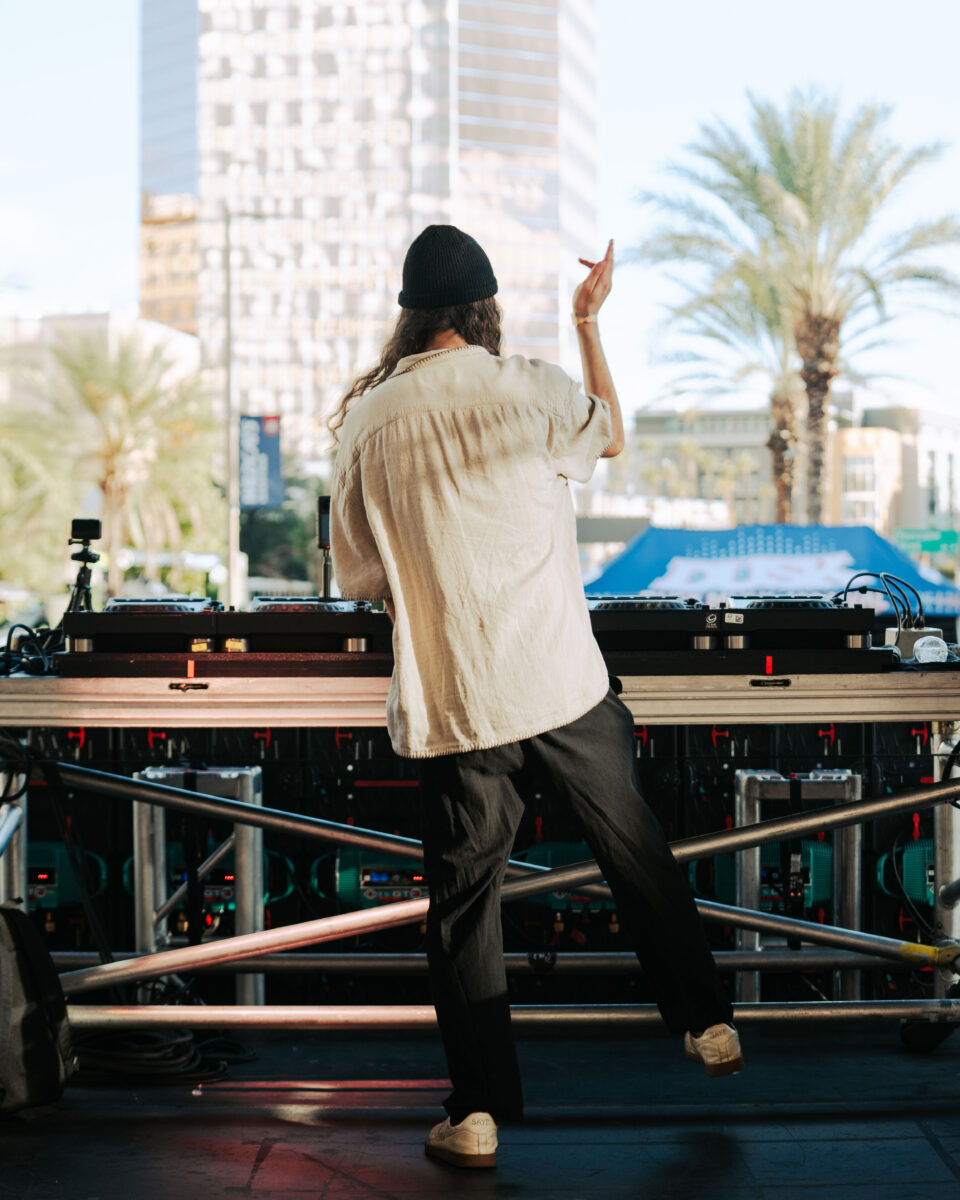
Reading a crowd begins before the first drop ever hits. DJs pay attention to the size of the room, the time of night, the crowd’s demographic, and even the way people move when they first arrive. Early in a set, the dancefloor reveals everything. Are people bouncing lightly or standing still? Are they facing the booth or talking among themselves? Is the energy restless or already locked in? These subtle cues tell a DJ how fast to build, how melodic to start, or how deep they can go before pushing intensity.
Crowd psychology plays a major role in decision-making. Humans naturally mirror energy, especially in group environments. When a DJ raises intensity too quickly, the crowd can feel overwhelmed. When energy lingers too long at one level, attention drifts. The most effective DJs understand this balance instinctively. They treat a set like a conversation rather than a performance, offering sound and watching how the crowd responds before deciding what comes next.
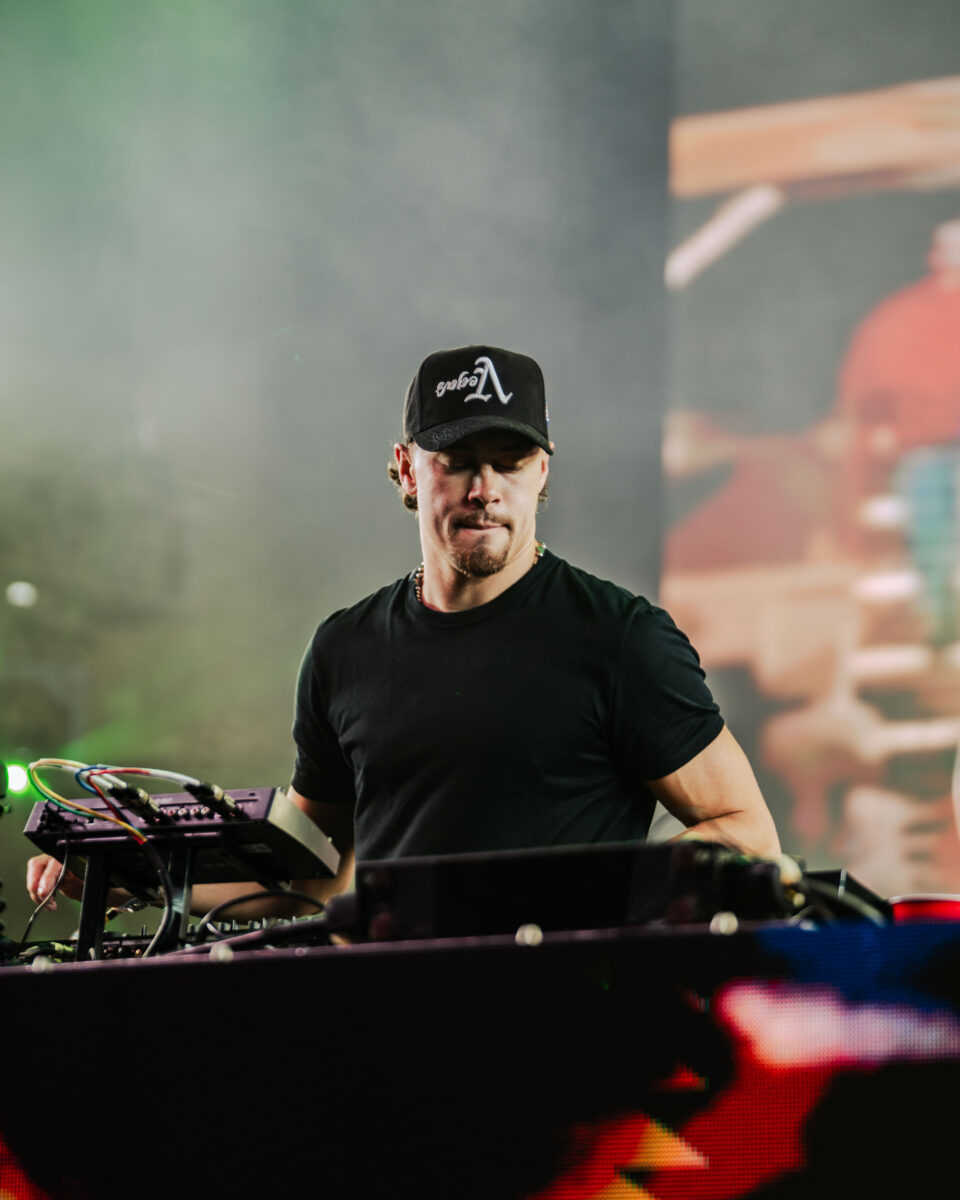
Energy arcs are the backbone of a great set. Instead of constant peaks, experienced DJs build waves. They create tension through extended builds, then offer release, followed by moments of space. These quieter moments are not mistakes. They allow the crowd to breathe, reset, and prepare for the next surge. A well-timed breakdown can be just as powerful as a drop, especially when it arrives after sustained intensity.
Visual cues matter as much as sound. DJs watch hands in the air, heads nodding, phones coming out, and bodies leaning closer to the booth. They notice when the front row is fully engaged or when energy is spreading toward the back of the room. Even something as small as how quickly the crowd reacts to a transition can influence the next track selection. These reactions inform whether a DJ stays in a particular genre lane, shifts tempo, or introduces something unexpected.
There is also emotional reading involved. Late-night crowds tend to be more open and expressive, while early sets often require patience and restraint. Festival crowds behave differently from club audiences, and sunrise sets demand a completely different approach. DJs who excel understand these emotional contexts and adjust their sound accordingly, creating moments that feel perfectly timed rather than preprogrammed.
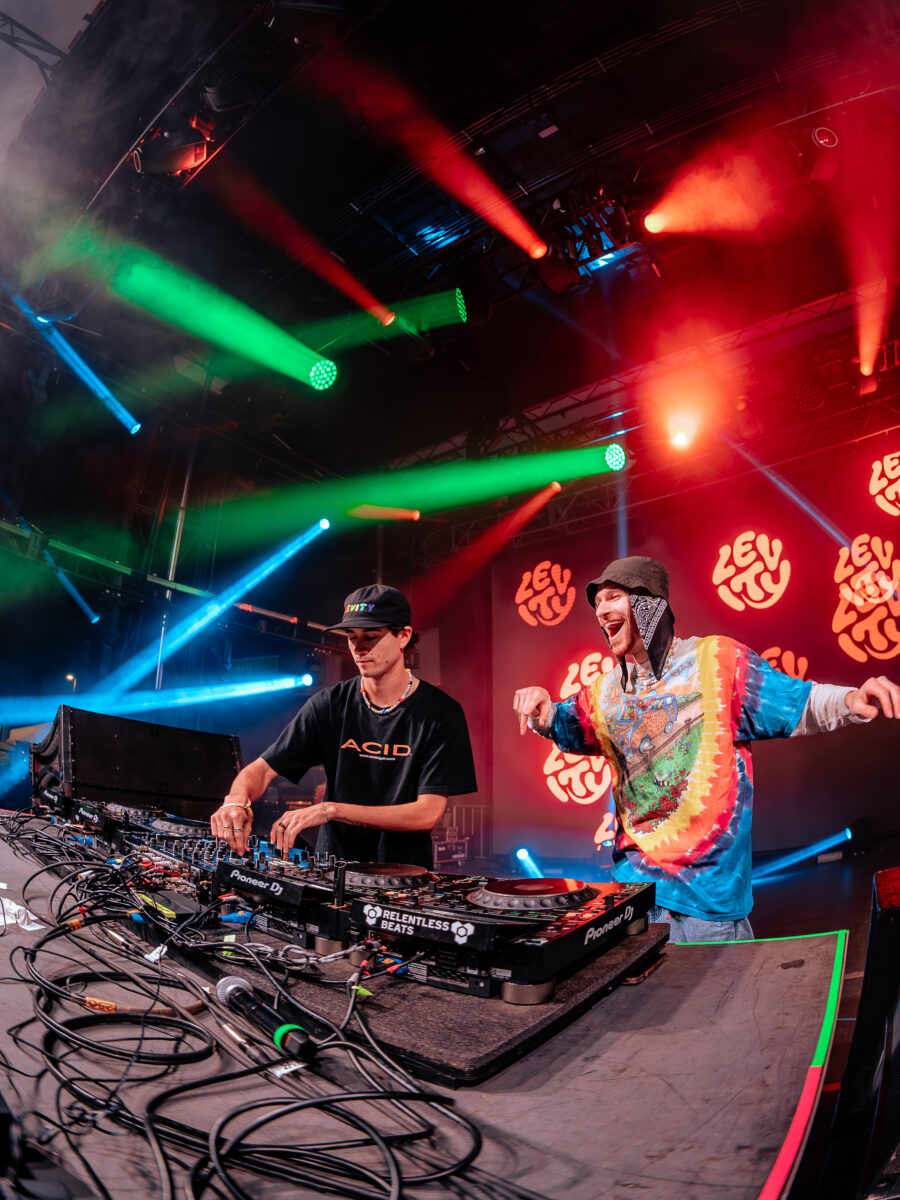
Despite modern technology and preplanned crates, most DJs leave space for improvisation. The ability to abandon a planned direction in favor of what the room needs is what separates good sets from unforgettable ones. This flexibility builds trust between artist and audience. When a crowd feels seen and heard, they give more energy back, creating a feedback loop that lifts the entire room.
Behind the booth, control does not mean domination. It means guidance. DJs shape the emotional journey of a night through careful listening, observation, and instinct. When it works, the crowd does not just dance. They move together, breathe together, and experience something larger than themselves. That invisible dialogue between booth and dancefloor is what turns a collection of tracks into a night that people talk about long after the lights come up.


Copyright © 2026 Relentless Beats LLC. All rights reserved.
Use of this site constitutes acceptance of our terms & conditions and privacy policy.