


Kaninе Brings New Drum & Bass Heat Ahead of Sunbar Takeover
April 9, 2026
April 9, 2026

 Crankdat
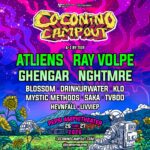 Coconino Campout 2026
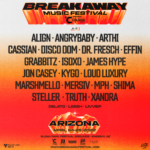 Breakaway Arizona 2026
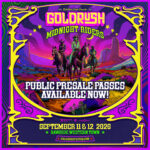 Goldrush: Midnight Riders 2026
 DJ Snake
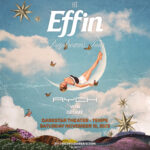 Effin
Effin Obsidian 2025
 Seven Lions - Prelude: Gathering Twilight
 DUSK Music Festival 2025
 AYYBO
AYYBO Buckcherry Set for a Wild West Takeover at Harold’s Cave Creek Corral
 Kaninе Brings New Drum & Bass Heat Ahead of Sunbar Takeover
 RB Exclusive Interview: Odd Mob on Musical Impact, Celebrity Status, & Humility
 Liquid Stranger & TVBOO Collaborate on the Frequency-Bending Single, 'Cracked'
 Same Same But Different Reveals SUBmerged Event Lineup
 Capozzi
 ISOxo
ISOxo Bella Renee
 Yetep
Yetep
Some songs are massive on a festival stage and strangely quiet on streaming platforms. You hear them live, surrounded by thousands of people, and they feel unstoppable. The drop hits, the crowd erupts, and for a moment it seems like the track is destined to dominate playlists for months. But later, when the official release finally lands online, something feels different. The energy doesn’t translate the same way. The moment feels smaller.
It’s not that the song changed, it’s that the environment did.
Dance music has always been tied to physical space. Bass isn’t just meant to be heard, it’s meant to be felt. Subwoofers shake the ground beneath your feet. The kick drum lands in your chest. A build stretches across a massive field, creating tension that only works when thousands of people are holding their breath together. On a phone speaker or laptop, that scale disappears.
Certain tracks are engineered specifically for that shared physical experience. Festival edits often feature long builds, dramatic pauses, and explosive drops that rely on crowd anticipation. When the music cuts out right before the drop and the entire audience screams the vocal back at the DJ, the silence becomes part of the song. The reaction becomes part of the production. Streaming can’t replicate that.
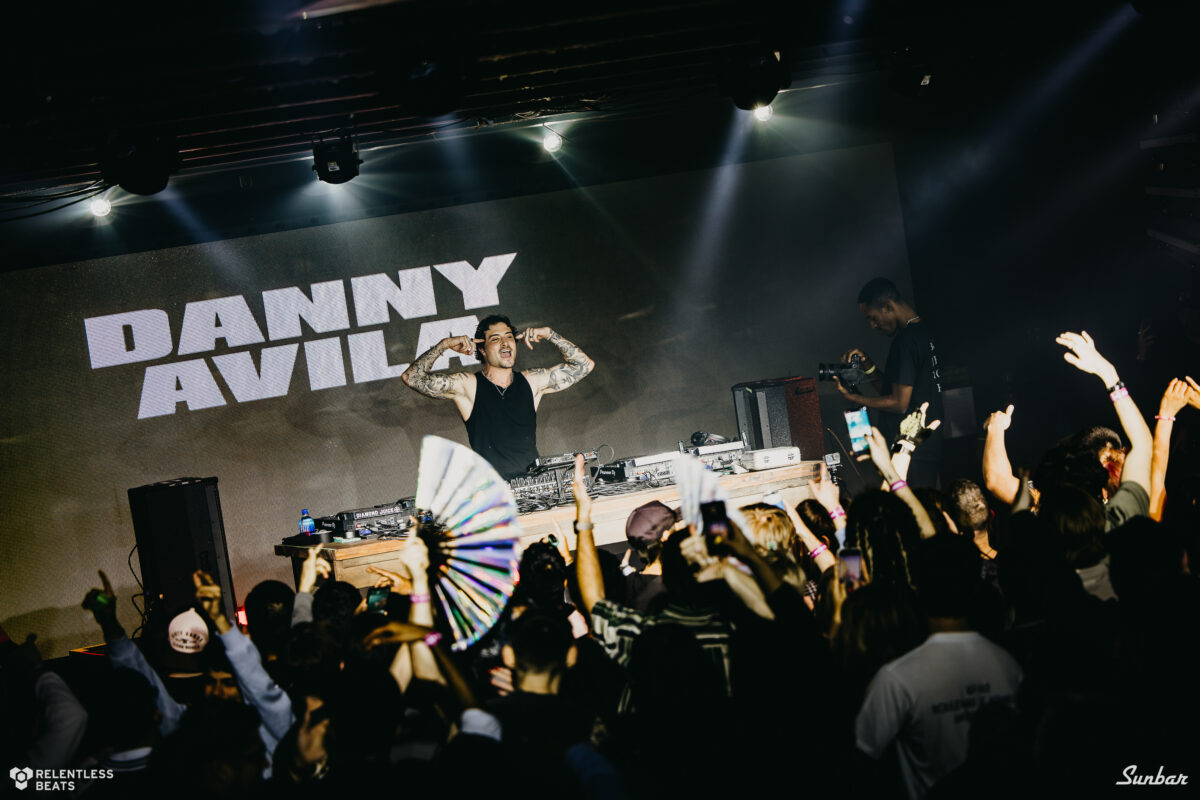
In a live setting, energy multiplies through collective reaction. One person jumping becomes ten, then a hundred, then an entire crowd moving as one. The drop feels bigger because everyone experiences it together. The visual production, the lights, and the sheer size of the speakers all contribute to the emotional impact. Remove those elements, and the track can feel strangely minimal.
This is why some songs become legendary live but rarely dominate playlists. They were built for scale, not headphones. A massive festival drop might rely on huge pauses and exaggerated bass hits that feel thrilling in a crowd but awkwardly spaced when listened to alone. What feels like tension on a stage can feel like space on a commute.
It doesn’t mean the song failed. In many cases, it means it succeeded exactly where it was designed to.
Live dance music operates almost like a theater. The crowd isn’t just observing the moment. They’re completing it. When thousands of people shout the same lyric before the drop or jump in perfect sync when the kick returns, the audience becomes part of the composition.
That interaction is impossible to compress into a streaming file.
Some producers understand this deeply and lean into it. They create tracks that exist primarily for the dance floor, songs meant to ignite a field at midnight rather than sit quietly on a playlist. These moments might never rack up hundreds of millions of streams, but inside the right crowd, they become unforgettable.
Because sometimes the real power of a song isn’t in how often it’s played. It’s in how loud the crowd gets when it finally drops.

Copyright © 2026 Relentless Beats LLC. All rights reserved.
Use of this site constitutes acceptance of our terms & conditions and privacy policy.