

The Art of Letting Go on the Dancefloor
May 22, 2026
May 22, 2026

 Green Velvet | Oasis Pool Party
 Kai Wachi
 Goldrush: Midnight Riders 2026
 Tchami
 DJ Diesel
 AYYBO
AYYBO Danny Avila
 What Makes a Set Feel Intimate Even in a Massive Crowd
 The Weight of a Closing Festival Set: Why the Last Hour Feels Different
 The Art of Letting Go on the Dancefloor
 'OH YEAHHH!' LSDREAM x Kotek Cure Your Sweet Tooth with 'KOOLAID MAN'
 Chris Lake & ATRIP Deliver Madness on 'Make You Fight'
 Capozzi
 ISOxo
ISOxo Bella Renee
 Yetep
Yetep
Most festival guides tell you who to see and what time to be there. Very few talk about the invisible forces shaping your night before you even hear your first drop. Festival maps are not just logistical tools. They quietly dictate how you move, how you feel, and how your energy rises and falls throughout the day. The way stages are placed, pathways curve, and sound travels can completely transform your experience, often without you realizing why.
Layout is the first psychological layer. A festival with wide open stage fields invites freedom and exploration, while tighter layouts create intensity and urgency. When stages are clustered closely together, crowd energy feels denser and more chaotic, which can amplify excitement but also accelerate fatigue. Sprawling layouts encourage wandering, discovery, and longer emotional arcs. Your brain responds differently depending on whether you feel boxed in or expansive, and that feeling influences which sets you stay for and which ones you skip.
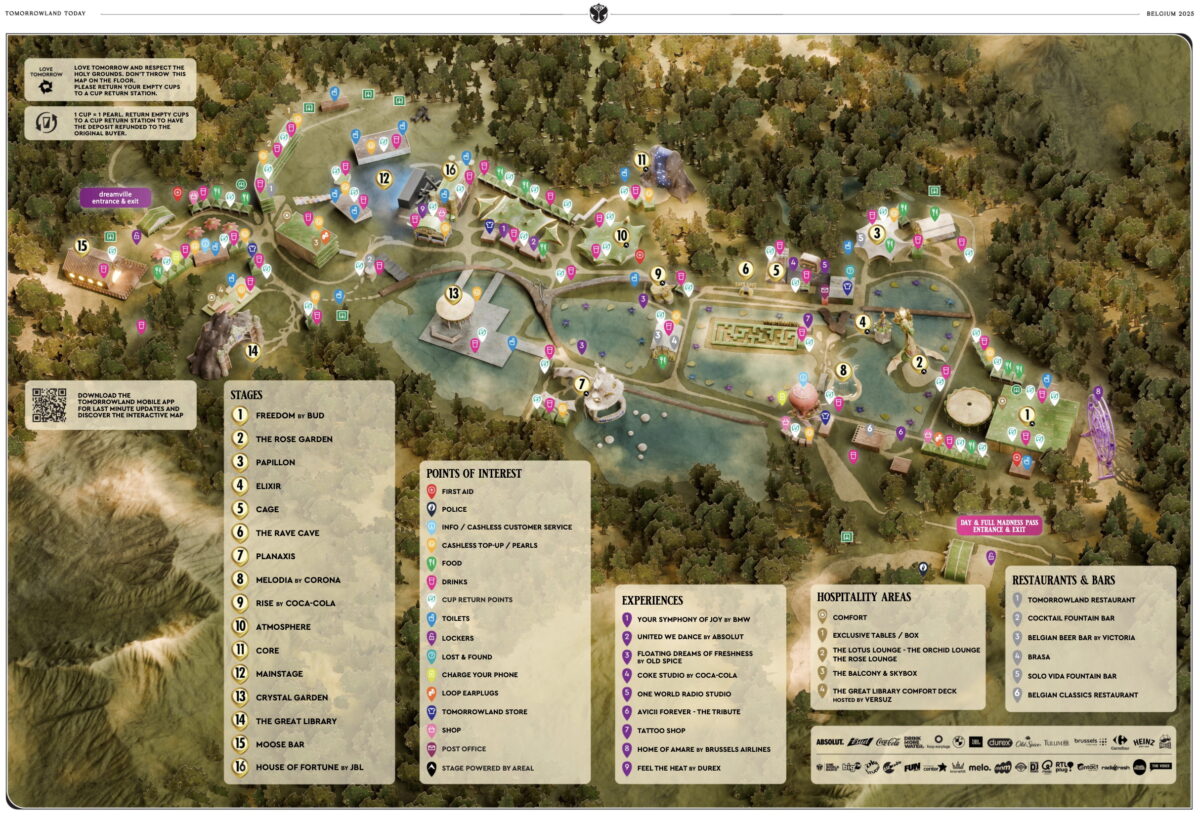
Pathways matter more than people think. Straight, well-lit walkways create predictable movement and reduce stress, especially during peak traffic hours. Narrow or winding paths slow the crowd naturally, which can ease congestion but also heighten sensory overload when music, lights, and bodies converge. The difference between an exhausting walk and a smooth transition often comes down to how clearly a path communicates direction. When movement feels intuitive, you conserve energy without realizing it.
Sound bleed is one of the most underrated factors in festival design. When bass from one stage collides with melodies from another, your brain works overtime trying to process competing rhythms. Sometimes this creates an electric atmosphere, especially in high-energy zones where chaos feels intentional. Other times, it causes mental fatigue and pulls you out of the moment. Smart festival layouts use distance, speaker direction, and natural barriers to control the amount of sonic overlap. This is why certain stages feel immersive while others feel restless.
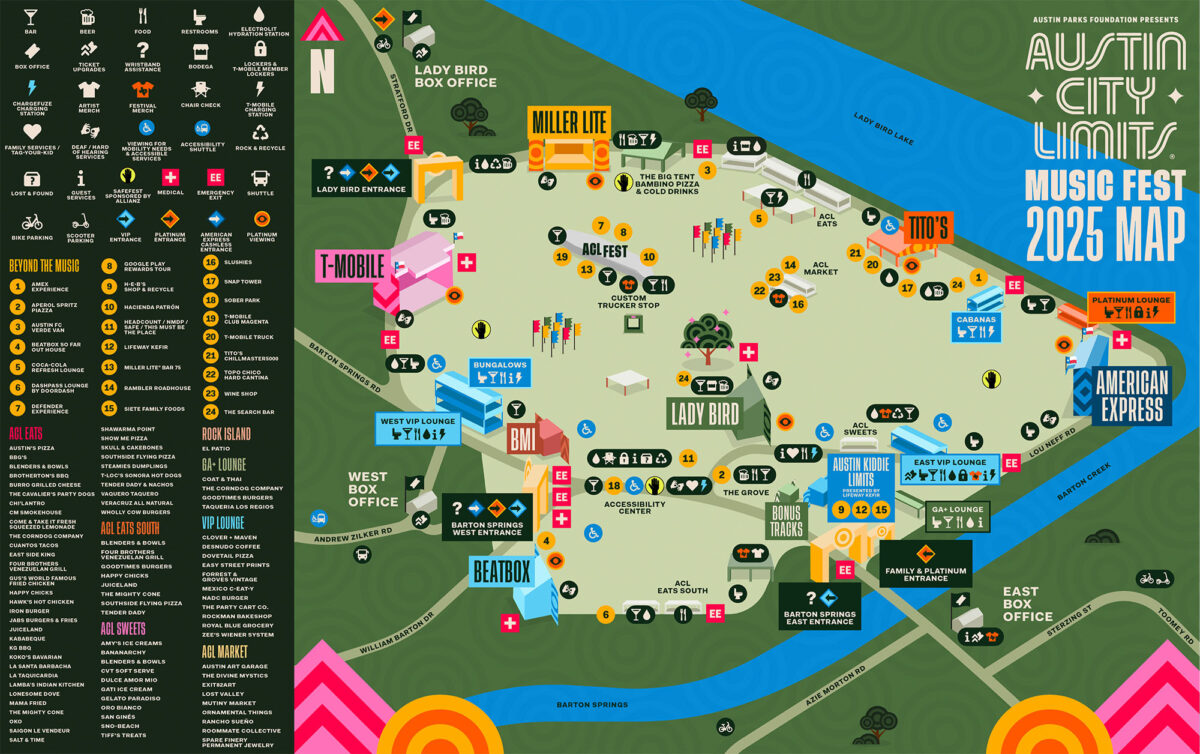
These design choices influence set selection in subtle ways. You might plan to catch a melodic house set, only to be pulled toward a nearby bass stage because the low end feels more physically grounding as you pass by. Or you might linger longer than expected at a downtempo stage simply because it sits in a quieter pocket of the map where your nervous system finally relaxes. Festival design nudges decisions before logic enters the picture.
There is also an emotional rhythm built into well-designed festivals. High intensity zones are often balanced by visual breathing spaces, shaded areas, or smaller stages that allow for decompression. These moments of relief are not accidental. They help prevent overstimulation and allow your body to reset, making the peaks feel higher later on. Without these pauses, everything blends, and even the best sets can lose impact.
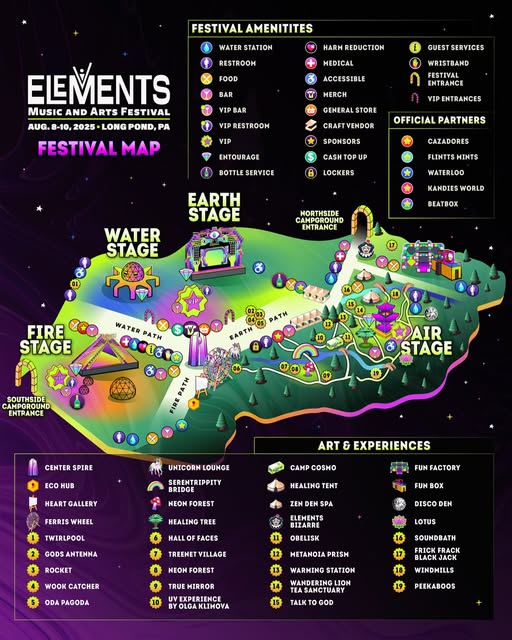
Knowing how to read a festival map is a skill. Identifying cross traffic choke points, recognizing where sound converges, and understanding which areas offer sensory relief can completely change how you pace yourself. Veterans often choose routes that minimize stress rather than distance, even if it means walking a little farther. The goal is not efficiency. It is sustainability.
Festival magic is not just about the lineup. It is about how space, sound, and movement intersect to create a shared emotional journey. Once you start paying attention to layout and sound design, you realize the map is not just telling you where to go. It is shaping how you feel the entire time you are there. And when you learn to move with it rather than against it, the experience becomes smoother, deeper, and far more memorable.
Copyright © 2026 Relentless Beats LLC. All rights reserved.
Use of this site constitutes acceptance of our terms & conditions and privacy policy.