
The New Dancefloor Economy: How Festival Culture Is Quietly Shifting
May 8, 2026
May 8, 2026

 Crankdat
 Green Velvet presents LALALAND | Oasis Pool Party
 Goldrush: Midnight Riders 2026
 Chippy Nonstop
 Tape B
 Effin
Effin DUSK Music Festival 2025
 Danny Avila
 AYYBO
AYYBO Miss Monique & Kapuchon Drop New 'Hot Sauce' Collab
 The New Dancefloor Economy: How Festival Culture Is Quietly Shifting
 CTRL ESCAPE: John Summit’s Matrix Exit Strategy
 Of The Trees Drops Heavy New Single, 'Amanita'
 International Discovery Series: Piezo (Italy)
 Capozzi
 ISOxo
ISOxo Bella Renee
 Yetep
Yetep
A lot of the music that defines a festival season doesn’t start on streaming platforms.
It starts in the middle of a set, slipped quietly between two familiar tracks. No announcement. No release date. Just a moment where the crowd collectively looks up, realizing they’re hearing something they can’t quite place.
The drop hits. Phones come out. Someone turns to their friend and asks the same question echoing across the dance floor…”What track is this?“
Long before a song appears on Spotify or gets an official press push, many DJs test their newest ideas in the same place the culture lives, inside the crowd. A half-finished ID, an unreleased remix, or a brand new direction in sound gets dropped into a live set like an experiment. The reaction becomes the first real piece of feedback, and most fans don’t even realize they’re part of the process.
Dance music has always had a close relationship between producers and the dance floor, but the gap between studio and crowd is especially fluid here. A track might appear months, sometimes even a year, before its official release. By the time it finally drops online, thousands of fans may have already heard it echoing through festival speakers.
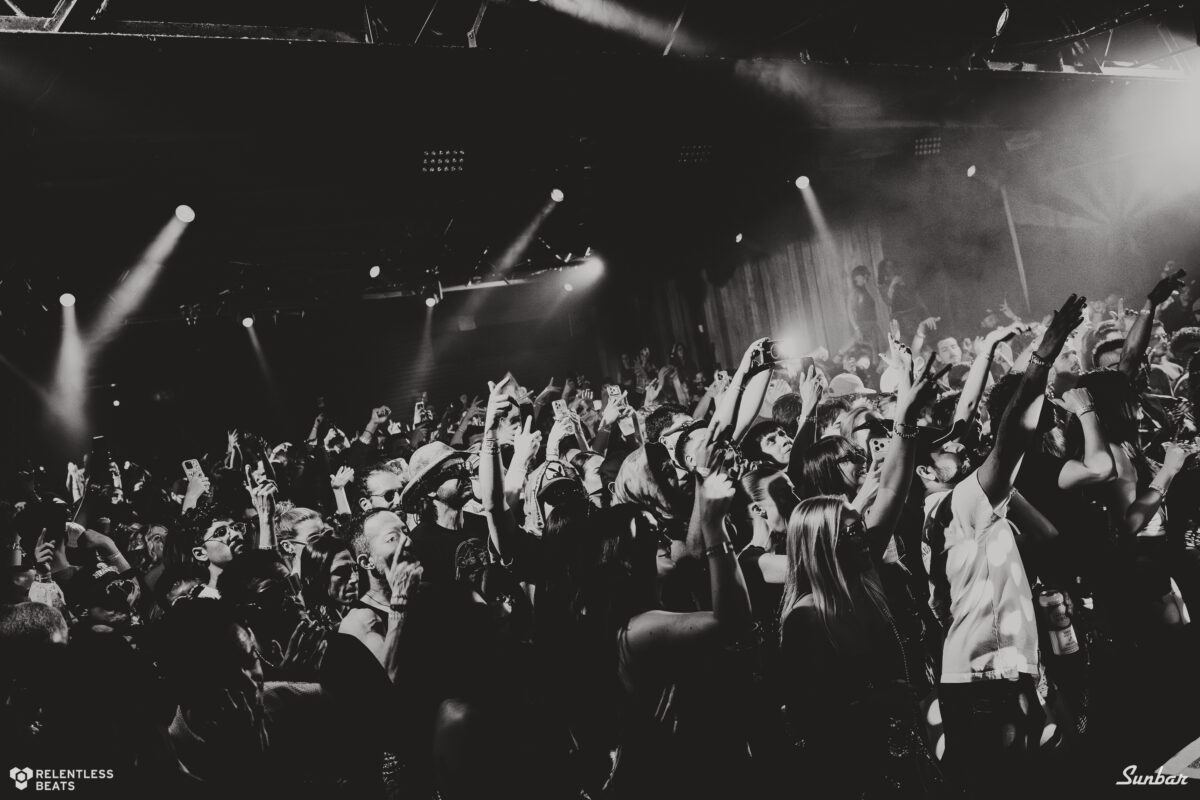
Those early plays feel special in hindsight. At the time, they’re usually just mysterious moments buried inside a set.
Maybe it’s a DJ pausing for a second before the drop, smiling like they know something the audience doesn’t. Maybe it’s a transition that sounds slightly rougher than the rest of the mix, still evolving. Maybe it’s a melody that feels unfamiliar but instantly sticky, looping in your head long after the set ends.
That’s the sound of a first draft in the wild.
Fans who follow artists closely know the ritual well. Clips of “ID tracks” start circulating online the next morning. Shaky recordings bounce around group chats. Reddit threads and comment sections turn into detective boards as listeners try to identify the song or guess who produced it. Sometimes the track disappears entirely. Other times, it comes back stronger because those test runs matter.
The live environment reveals things that studio speakers never could. Does the build actually hold tension? Does the drop land hard enough to move a field of people? Does the crowd scream when the vocal hits, or does the energy drift away?
That information shapes what happens next. Artists tweak drums, extend intros, swap basslines, or completely rework a section before the track ever sees a formal release.
In a way, the dance floor becomes the final mixing room.
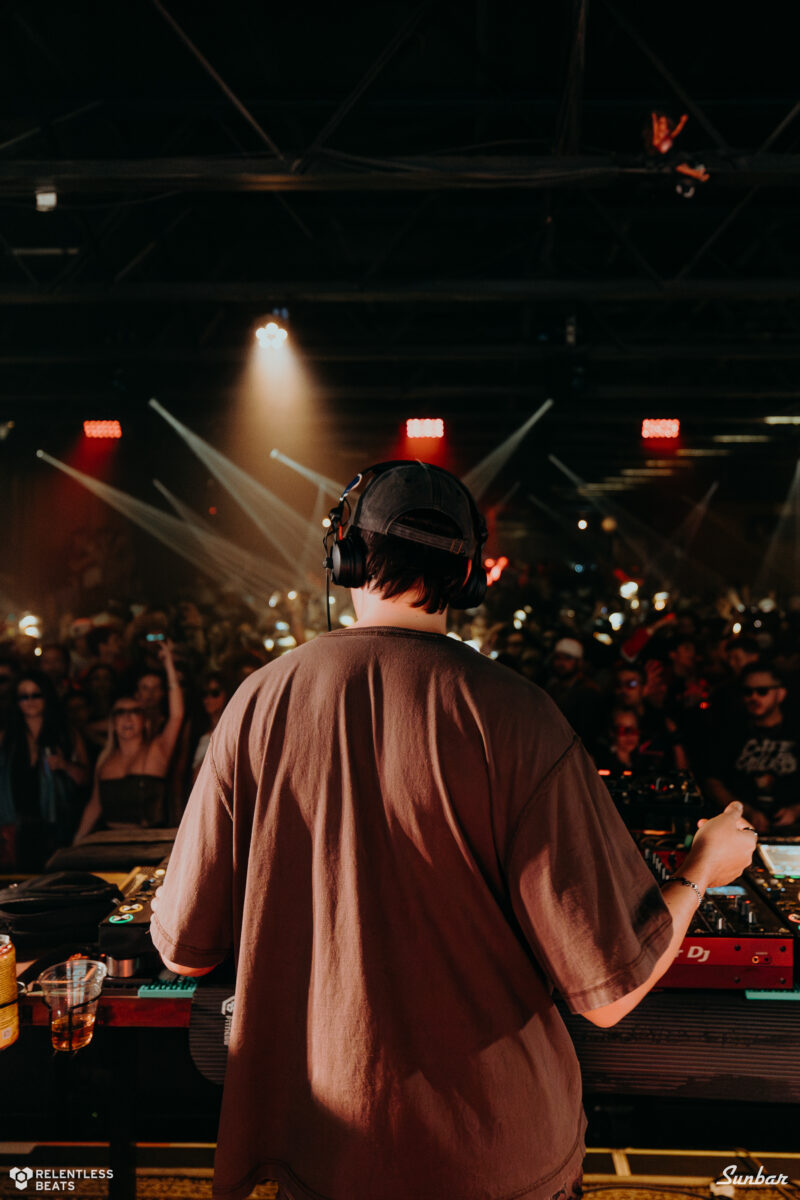
There’s also a certain magic in witnessing these unfinished moments. Fans might not realize it at the time, but they’re catching glimpses of music still being formed. A melody that could later dominate festival stages. A new stylistic direction is quietly being introduced before headlines ever mention it.
Months later, when the track finally lands on streaming services, something clicks.
That drop sounds familiar?
Suddenly, it connects back to a blurry video in your camera roll or a memory of losing your mind in a crowd when a DJ played something “new.” The official release becomes less like discovering a song and more like reuniting with it.
That’s the beauty of dance music’s culture. Before the marketing campaign, before the press coverage, before the polished rollout, the music gets to live where it was always meant to live first, on a dance floor, surrounded by people unknowingly hearing the first draft of the future.
Copyright © 2026 Relentless Beats LLC. All rights reserved.
Use of this site constitutes acceptance of our terms & conditions and privacy policy.