

The Art of Letting Go on the Dancefloor
May 22, 2026
May 22, 2026

 Kai Wachi
 Green Velvet | Oasis Pool Party
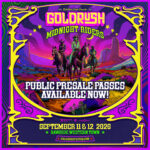 Goldrush: Midnight Riders 2026
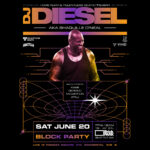 DJ Diesel
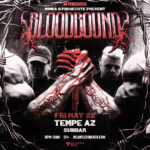 Bloodbound (Prosecute & Nimda)
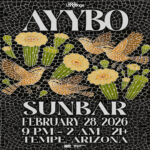 AYYBO
AYYBO Danny Avila
 AHEE x SubDocta Drop SPEAKER-BREAKING Banger, 'FIYAH'
 The Weight of a Closing Festival Set: Why the Last Hour Feels Different
 SIDEPIECE Breaks Down the Walls with House Banger, 'Function'
 Remix Recall: 'Dracula' - Tame Impala (OMNOM Remix)
 'OH YEAHHH!' LSDREAM x Kotek Cure Your Sweet Tooth with 'KOOLAID MAN'
 Capozzi
 ISOxo
ISOxo Bella Renee
 Yetep
Yetep
Not long ago, the role of a DJ was relatively straightforward. Two decks, a mixer, a stack of tracks, and the skill to blend them smoothly. The magic lived in timing and taste, reading a room while keeping the music flowing without interruption. That core skill still matters, but the modern DJ booth has evolved into something far more complex. Today’s artists walk on stage with an entire toolkit built for flexibility, creativity, and real-time experimentation. A set isn’t just a playlist anymore. It’s a carefully prepared ecosystem of edits, visuals, music stems, and live decisions that can shift depending on the crowd in front of them.
Preparation often starts weeks before a show. Instead of relying solely on released tracks, DJs build libraries filled with custom edits designed specifically for their sets. These can be extended intros that make transitions smoother, alternate drops that hit harder in a festival environment, or mashups that combine multiple songs into something entirely new. Many artists also prepare exclusive versions of their own music, giving live audiences something they won’t hear anywhere else.
The gear itself reflects that expanded approach. Industry standards like the Pioneer CDJ-3000 remain a staple in booths around the world, paired with a DJM A-9 or V10 mixer. This collection is considered the Lamborghini of DJ equipment at the moment, with high-performance, sleek, and reliable design. They’re often paired with controllers that allow for deeper customization. Controllers let DJs trigger samples, loops, and effects in real time.
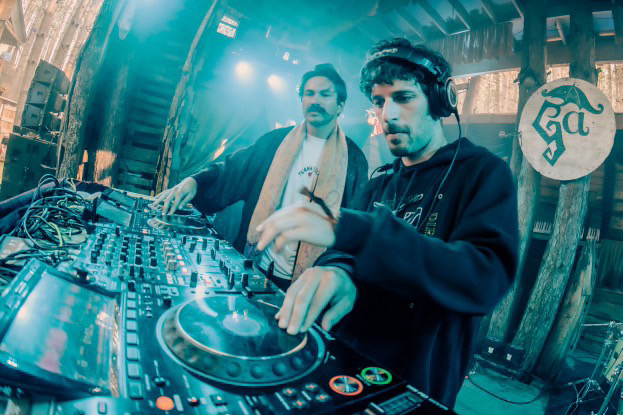
Then there are stems, one of the biggest shifts in how modern sets are built. But what are stems? Instead of playing a track as a single file, DJs can break songs into individual components, vocals, drums, basslines, or melodies. That allows them to isolate pieces of different songs and layer them together live, creating mashups that feel spontaneous and unique to that exact moment on the dance floor.
Visuals have also become part of the toolkit.
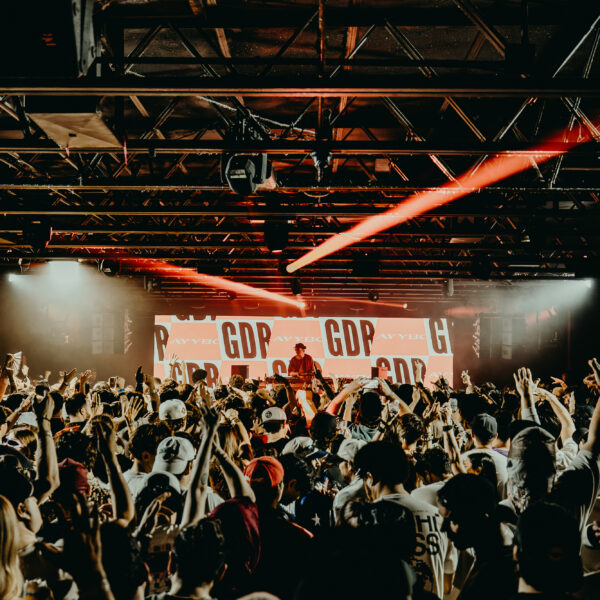
Large festival stages often run synchronized lighting and video systems that respond directly to a DJ’s music. Some artists prepare visual cues alongside their tracks, aligning certain drops or breakdowns with specific moments on massive LED screens. The result is a more immersive performance where sound and visuals move together rather than operating separately.
At the same time, the connection between DJs and fans has become more immediate than ever.
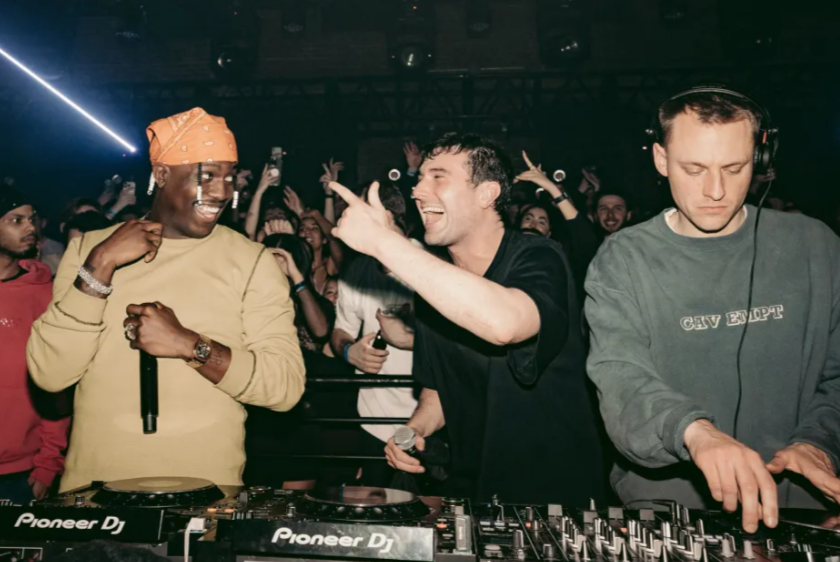
Social media platforms give artists a constant stream of feedback from the people listening to their music. Fans comment on unreleased tracks, react to festival clips, and even help identify which IDs deserve a proper release. Some DJs openly test edits during sets and then watch online reactions afterward to see which moments resonated the most.
In a way, the crowd has become an extension of the creative process.
Compare all of this to the early days of EDM in the late 1990s and early 2000s, and the difference is striking. DJs often worked with vinyl records or early CD systems, focusing primarily on beatmatching and track selection. Visual production was minimal, and audience interaction rarely extended beyond the dance floor itself.
Today, the role blends DJing, production, performance design, and community engagement.
But despite all the new tools, the heart of the craft hasn’t changed. Technology may shape the workflow, but the goal remains the same. Reading the room, building energy, and guiding a crowd through a shared musical journey. The modern toolkit simply gives DJs more ways than ever to make that journey unforgettable.
Copyright © 2026 Relentless Beats LLC. All rights reserved.
Use of this site constitutes acceptance of our terms & conditions and privacy policy.