
Why We Keep Coming Back: The Quiet Pull of the Next Show
April 14, 2026
April 14, 2026

 Crankdat
 Wuki
Wuki Noizu | Phoenix Warehouse Project
 Goldrush: Midnight Riders 2026
 Tape B
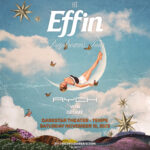 Effin
Effin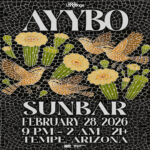 AYYBO
AYYBO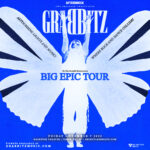 Grabbitz
 Danny Avila
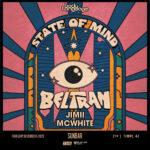 Beltran
 New Deep Dub Label, 'Heavy Tension,' Drops Debut Album
 GRiZ Returns With New Single, 'BBFL'
 My Favorite Songs from SubDocta's 'Second Opinion' LP
 Truth Set to Return to the Valley This Weekend for Breakaway Arizona
 Of The Trees x LYNY Drop Long-Awaited Masterpiece Collab, 'Hollow'
 Capozzi
 ISOxo
ISOxo Bella Renee
 Yetep
Yetep
The bass hits, but it doesn’t move until the crowd does.
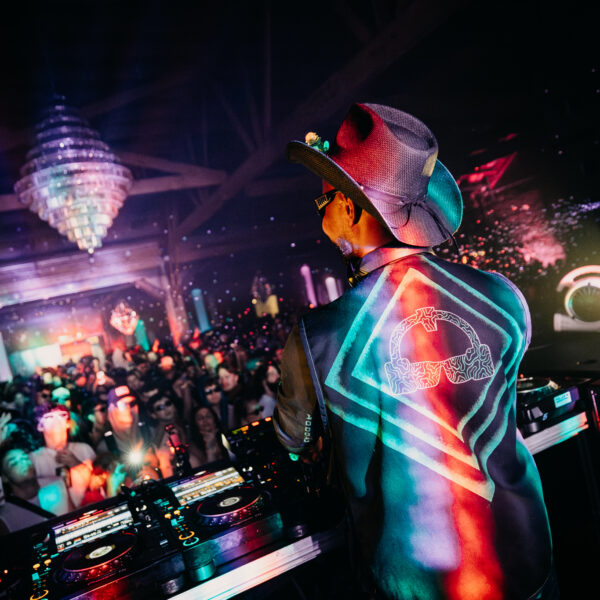
From above, a festival stage looks like the focal point. Lights flare outward. Visuals stretch across LED walls. The DJ stands elevated, framed like the main character. But zoom out just a little, and the real story starts to shift. The stage may direct the sound, but the crowd decides the impact.
For years, electronic music culture centered the headliner as the defining force of a night. The name on the flyer. The face on the poster. The one controlling the decks. But in 2026, there’s a growing awareness that something bigger is happening. Fans are recognizing their role not as spectators, but as the pulse that determines whether a set simply plays or truly ignites.
The difference is impossible to miss when it happens.
A DJ cues a familiar vocal. Instead of waiting for the drop, the audience begins singing early, thousands of voices slightly off-beat but emotionally locked in. The artist cuts the music entirely, holding the silence. The crowd doesn’t hesitate. They keep going, louder than the speakers, turning a programmed moment into something organic and unpredictable.
In that exchange, control shifts.
It’s no longer a performance happening to the audience. It becomes something happening with them.
The most unforgettable nights rarely hinge on flawless mixing alone. They hinge on collective commitment. A room full of people deciding, at the same time, to lean into the moment. To scream the build instead of just filming it. To jump in unison so hard that the floor feels unstable. To lock eyes with strangers and share a wordless understanding that this drop matters.
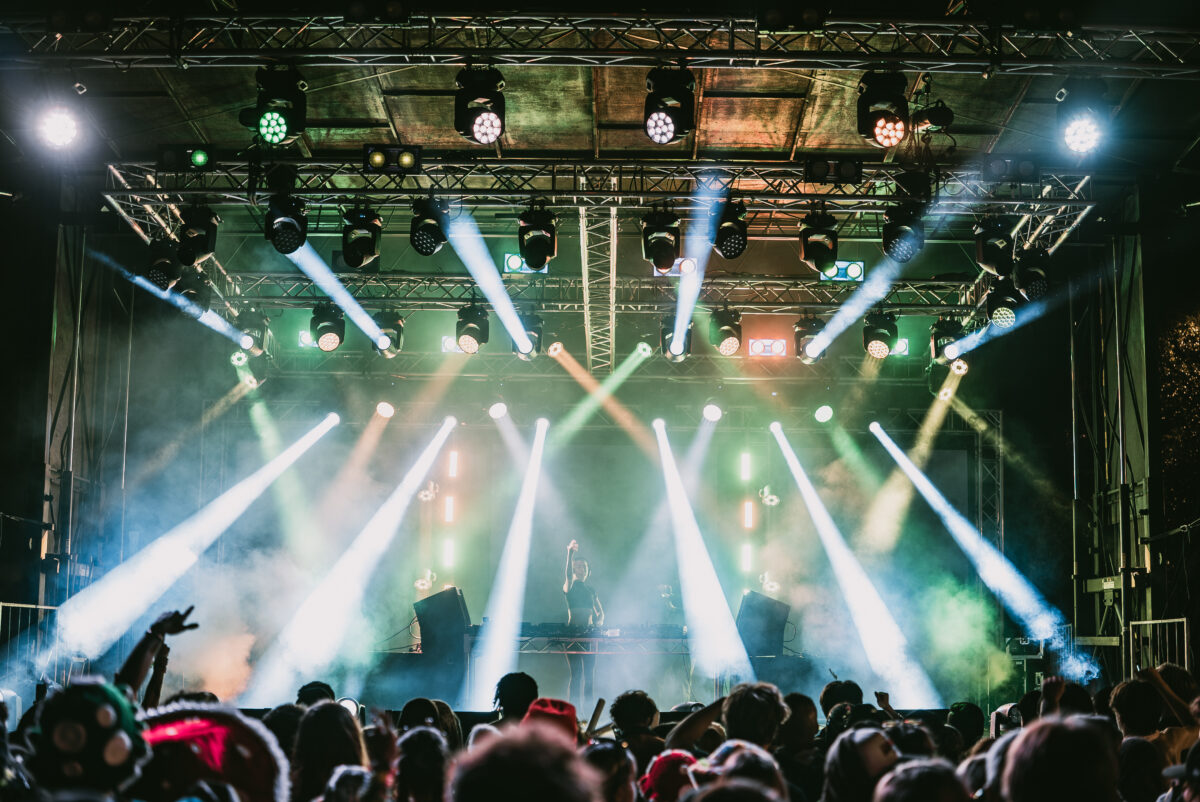
Energy at a show is never one-directional. It’s a feedback loop. The DJ pushes tension into the crowd. The crowd amplifies it. The DJ feels that surge and stretches the build longer. The audience grows louder. What starts as a track becomes a shared creation.
Some of the most powerful moments happen when the artist steps back entirely. When the volume lowers, the audience keeps clapping in rhythm. When the beat drops out, thousands of voices carry the melody alone. The booth might hold the equipment, but the emotion lives on the floor.
There are also nights when that exchange doesn’t happen. Technically impressive sets can fall flat if the crowd stays passive, arms crossed, phones raised, waiting to be impressed. Without participation, even the biggest drops feel smaller.
But when a crowd decides to engage, imperfections disappear. A slightly mistimed transition gets swallowed by cheers. A deeper cut becomes an anthem because the audience treats it like one. The atmosphere thickens, charged not by wattage but by willingness.
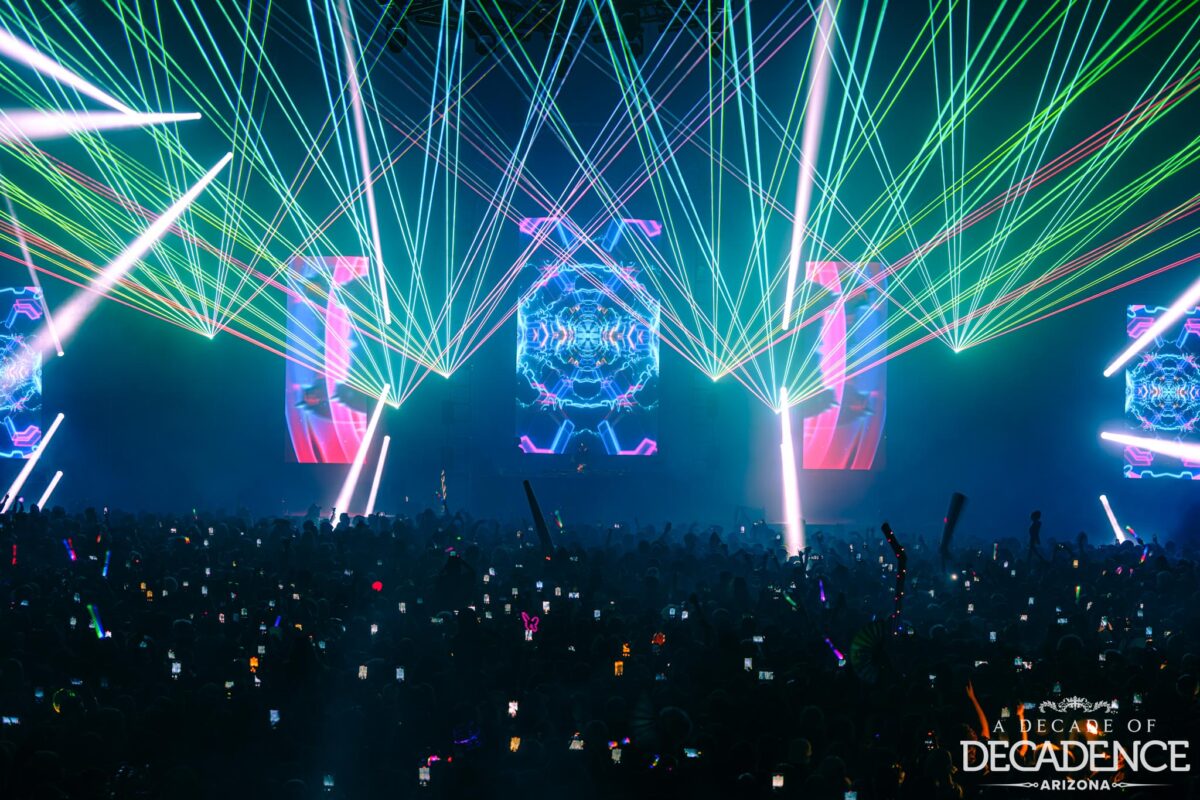
In 2026, that willingness feels stronger than ever. Fans are more aware that their presence shapes the outcome. That the vibe of a room isn’t delivered, it’s built. That the headliner doesn’t just headline because of talent, but because thousands of people choose to meet them halfway.
The stage may hold the spotlight.
But the real headliner is the collective heartbeat in front of it.
The sweat. The voices. The synchronized movement at 128 BPM.
Because when the crowd rises together, the night doesn’t just play out.
It comes alive.
Copyright © 2026 Relentless Beats LLC. All rights reserved.
Use of this site constitutes acceptance of our terms & conditions and privacy policy.